
Turkish Professor at the Agricultural School
1905
No user ratings available yet
Representation score: 2.7 out of 10
Representation Score
Fair
1905
Director
Yanaki Manaki, Milton Manaki
Runtime
2 minutes
Average Rating
No ratings yetNew Showbiz Analysis
The Manaki brothers play a crucial role in preserving Balkan identity. Their work serves as an important ethnographic document that captures a specific regional culture during a period of political change. Although the film lacks modern narrative techniques for intentional identity representation, its strength lies in its ability to center a non-Western experience. It provides a unique historical perspective outside the Anglo-Saxon cinematic tradition. Ultimately, the film is a piece of historical documentation rather than a work focused on contemporary social critique.
Category Breakdown
The film does not include any characters or situations that suggest LGBTQ+ identities. This absence reflects the social norms of the time rather than a specific narrative choice.
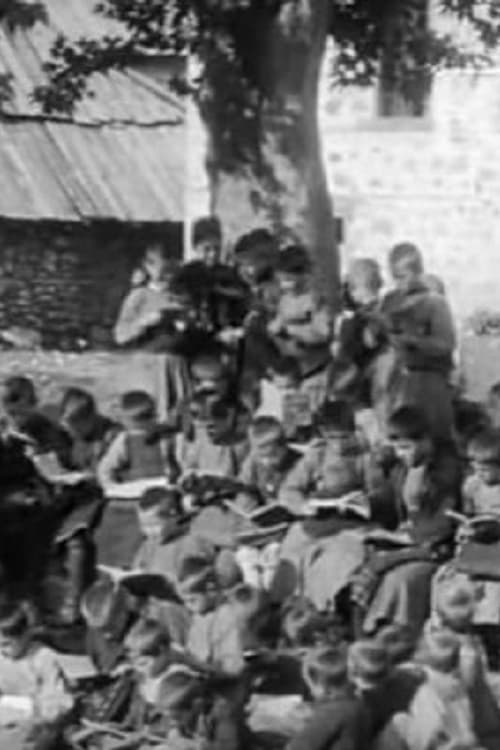
The classroom scenes offer a look into early 20th-century education. However, the specific roles and influence of female students are not clearly defined.
As a historical record, the film focuses on Macedonian identity. It highlights a non-Western cultural experience that challenges the Eurocentric bias often seen in early films.
The documentary presents a local, non-Western perspective by focusing on a traditional community institution. It avoids promoting Western ideals by emphasizing Balkan life.
There are no characters with visible physical or neurodivergent disabilities in this historical record.
Present on Screen
Limited or Absent
Official Synopsis
A schoolclass in seen outside in Macedonia.
1905

2002
1905
1896
1905

1905
1905

1905
No reviews yet. Be the first to share your thoughts on this movie!
Use the rating form above to leave a star rating and optional review.