
Naruto: The Lost Story - Mission: Protect the Waterfall Village!
2003
No user ratings available yet
Representation score: 8.1 out of 10
Representation Score
Good
2005
TV-14Director
Itsuro Kawasaki
Runtime
30 minutes
Average Rating
No ratings yetNew Showbiz Analysis
The film follows typical high-fantasy adventure conventions and avoids many harmful clichés. However, it lacks the layered representation of diverse identities needed for a better score. The narrative subtly critiques authoritarianism through the 'Country of Birdcages.' However, the character interactions often follow traditional hero and protector roles. Overall, the film's use of fantasy archetypes and settings limits its engagement with real-world diversity, resulting in a score reflecting a lack of explicit social representation.
Category Breakdown
The film centers on the relationship between Syaoran and Sakura, following traditional romantic structures. It doesn't include obvious same-sex relationships or non-straight identities.
Sakura drives the emotional storyline, while Syaoran protects her. Princess Tomoyo adds to the female perspective, helping the film avoid overly traditional gender roles.
The fantasy world uses anime characters that don't emphasize real-world ethnicities. This avoids racial stereotypes but also means there's less diverse ethnic representation.
The story criticizes centralized authority through the oppressive monarchy. The king's control over citizens via their birds highlights systemic power dynamics.
Sakura's memory loss is used as a magical plot device rather than representing actual disabilities. The film avoids harmful stereotypes but doesn't show neurodivergent or physical disabilities.
Present on Screen
Limited or Absent
Official Synopsis
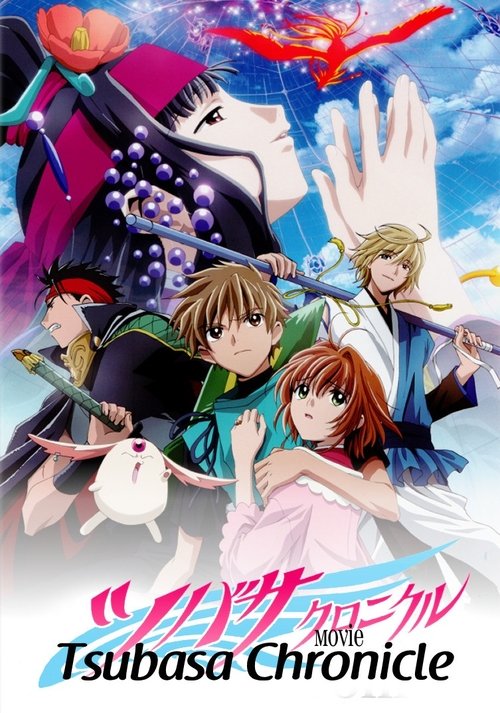
In their continuing journey to find the feathers that are the fragments of Sakura's lost memory, Syaoran, Kurogane, Fay, and Sakura move through time and space with Mokona. Here, they visit the "Country of Birdcages," a seemingly peaceful country where people and birds live together, each person having a bird companion. After a boy named Koruri confuses Syaoran and Sakura for "bodyguards" and attacks them, they learn that the king of the country possesses a mysterious power. Princess Tomoyo, Koruri, and the other oppressed citizens, having had their birds taken from them, live in hiding within the forest. In order to take back Sakura's feather, Syaoran and the others stand up against the scheming king.
2003

2012
2007

2001
2009
2010
1995
2014
No reviews yet. Be the first to share your thoughts on this movie!
Use the rating form above to leave a star rating and optional review.