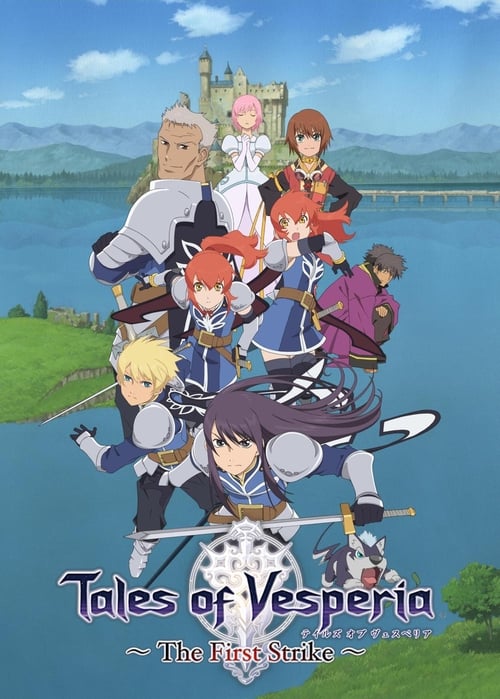
Tales of Vesperia: The First Strike
2009
No user ratings available yet
Representation score: 6.4 out of 10
Representation Score
Good
2014
Director
Haruo Sotozaki
Runtime
45 minutes
Average Rating
No ratings yetNew Showbiz Analysis
The film is a conventional high-fantasy epic that adheres to established JRPG genre conventions. It offers meaningful representation of women's ability to drive the story and spiritual 'otherness' without relying on harmful stereotypes. However, the narrative structure largely reinforces traditional heroic journeys and moral binaries. It lacks the complexity needed to challenge systemic hierarchies or social structures. Ultimately, while the world-building uses non-human species to explore social stratification, the story remains a standard tale of duty and cosmic balance.
Category Breakdown
The film follows typical fantasy storylines focused on heterosexual relationships. There is no indication of same-sex relationships or non-cisgender identities among the main characters.
Female characters such as Alisha have significant political influence and combat roles, challenging the damsel in distress stereotype. However, the story stays within conventional fantasy dynamics and archetypes.
The story replaces traditional ethnicities with the coexistence of humans and Seraphim. This spiritual division serves as a metaphor for social stratification and systemic exclusion.
The narrative centers on a moral dualism between Malevolence and the Shepherd, focusing on restoring cosmic balance rather than critiquing institutions or exploring moral relativism.
The ability to perceive Seraphim creates a social divide similar to neurodivergence or invisible disabilities. These traits primarily serve as plot devices for the protagonist rather than explored lived experiences.
Present on Screen
Limited or Absent
Official Synopsis
The Seraphim, a mystical spirit race who act as a stabilizing force in the land, blessed a human boy known as Sorey with powers. Sorey's encounter with Alisha and Lunarre leads him to leave on a journey to becoming the Shepherd and saving the world.
2009

2012

2016
2014
2021

2001
2016

2012
No reviews yet. Be the first to share your thoughts on this movie!
Use the rating form above to leave a star rating and optional review.