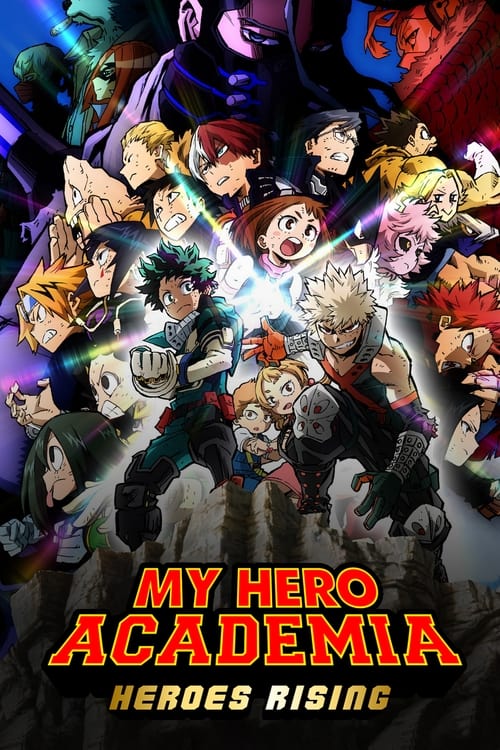
My Hero Academia: Heroes Rising
2019
No user ratings available yet
Representation score: 4.8 out of 10
Representation Score
Fair
2018
PG-13Director
Kenji Nagasaki
Runtime
96 minutes
Average Rating
No ratings yetNew Showbiz Analysis
The film follows a standard genre format that emphasizes institutional stability and traditional heroism. While it provides meaningful engagement for female characters, it adheres strictly to traditional shonen clichés. Representation is limited by a focus on a specific cultural framework and a homogeneous cast. The narrative validates state-sanctioned authority and professional hero institutions without critiquing systemic structures. Ultimately, the work operates within a conventional media framework, lacking multi-layered, queer, or disability-focused narratives.
Category Breakdown
The film does not explicitly include LGBTQ+ identities or non-cisgender gender expressions. Romantic subtext remains speculative and is not a central theme.
Female characters such as Melissa Shield exhibit strong ability to act and scientific competence, challenging traditional supporting roles. They also have meaningful conversations, occupying significant professional space.
The cast is predominantly homogeneous, reflecting the cultural context of the source material. The film does not use diverse ethnic casting to break the established visual norm.
The narrative upholds traditional institutional values, emphasizing scientific progress and technological advancement. Morality is presented through a binary lens of heroes versus villains, avoiding the deconstruction of social orders.
The film lacks prominent, ability to act-driven portrayals of visible or invisible disabilities. While biological variations are represented, the story does not address neurodivergence or physical disability as central themes.
Present on Screen
Limited or Absent
Official Synopsis
All Might and Deku accept an invitation to go abroad to a floating and mobile manmade city, called 'I-Island', where they research quirks as well as hero supplemental items at the special 'I-Expo' convention that is currently being held on the island. During that time, suddenly, despite an iron wall of security surrounding the island, the system is breached by a villain, and the only ones able to stop him are the students of Class 1-A.
2019
2018
2019
2014

2021
2020
2017
2021
No reviews yet. Be the first to share your thoughts on this movie!
Use the rating form above to leave a star rating and optional review.