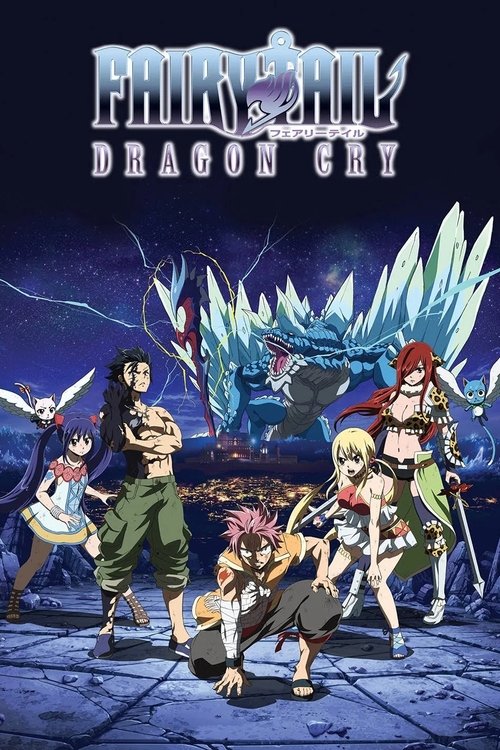
Fairy Tail: Dragon Cry
2017
No user ratings available yet
Representation score: 6.9 out of 10

Representation Score
Fair
2012
PG-13Director
Masaya Fujimori
Runtime
86 minutes
Average Rating
No ratings yetNew Showbiz Analysis
Fairy Tail: Phoenix Priestess is a conventional shonen fantasy that prioritizes action and established character arcs over social commentary. It reinforces existing cultural frameworks rather than challenging them. The film successfully grants female characters meaningful roles and combat competence, avoiding the regressive 'damsel in distress' cliché. However, it lacks the intentionality to explore complex identities. Ultimately, the work adheres to traditional genre conventions, focusing on high-fantasy adventure and guild-based camaraderie, without addressing systemic critiques or deconstructing social hierarchies.
Category Breakdown
The film does not explicitly depict non-straight or non-cisgender identities or same-sex relationships. The character dynamics focus on heterosexual and cisgender roles typical of the adventure genre.
Female characters such as Erza Scarlet have significant combat authority and leadership roles. While women show high physical prowess and tactical intelligence, the film maintains traditional gender hierarchies.
The high-fantasy setting emphasizes magical lineage and guild affiliation over ethnic identity. Diversity is more stylistic than a deliberate exploration of racial or post-colonial themes.
The narrative centers on protecting the magical world through guild cooperation. It upholds traditional adventure clichés without critiquing religious or Western institutions.
The film does not focus on visible or invisible disabilities. Characters are defined by their magical abilities rather than by neurodivergence or physical impairments.
Present on Screen
Limited or Absent
Official Synopsis
The film revolves around a mysterious girl named Éclair who appears before Fairy Tail, the world's most notorious wizard's guild. She lost all of her memories, except for the imperative that she must deliver two Phoenix Stones somewhere. The stones may spell the collapse of the magical world, and Natsu, Lucy, and the rest of the Fairy Tail guild are caught up in the intrigue.
2017

2022
2019
2017
2005

2011
2000

2013
No reviews yet. Be the first to share your thoughts on this movie!
Use the rating form above to leave a star rating and optional review.