
Death Is a Caress
1949
No user ratings available yet
Diversity score: 4.1 out of 10
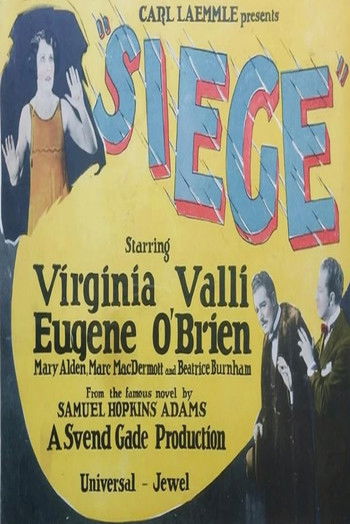
1925
PassedDirector
Svend Gade
Runtime
70 minutes
Average Rating
No ratings yetSynopsis
A stern old woman, who owns the largest factory in a small town and has ruled both the factory and the town with an iron hand, finds herself battling with the wife of her nephew, the man she has picked to succeed her.
Overall Score
Limited
Category Breakdown
LGBTQ+ Representation
The film lacks any indication of non-heteronormative identities. There is no evidence of queer subtext or character arcs within the narrative.
Gender Representation
The story subverts traditional hierarchies by centering on a powerful female factory owner. Women act as primary agents of economic and social influence rather than passive domestic figures.
Racial & Ethnic Diversity
The narrative shows no evidence of a diverse or non-Anglo-Saxon cast. It likely reflects the homogeneous social structures typical of 1925.
Religious & Cultural Diversity
The film explores power and inheritance through the lens of industrial capitalism. It presents the family unit as a site of professional and political friction.
Disability Representation
There is no information regarding the depiction of physical or neurodivergent characters in this work.
Strengths
Areas for Improvement
AI Analysis
Siege (1925) stands out for its unconventional focus on female agency. By placing a matriarchal industrialist at the center of the conflict, the film disrupts the era's standard tropes of female passivity and domesticity. However, the film's diversity is heavily constrained by its historical context. The lack of racial, LGBTQ+, and disability representation reflects the era's limited visibility for these identities. While the film offers a sophisticated look at economic power and gendered authority, its overall score remains low due to the absence of broader social diversity.
1949

1924
1926
1952

1932
1946

1923
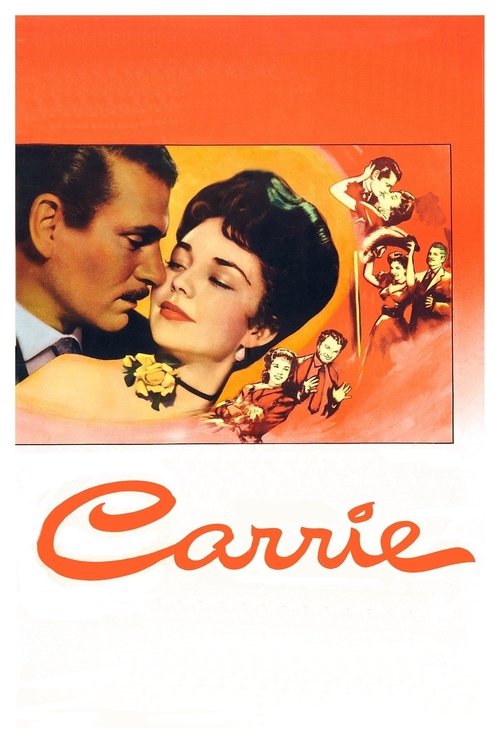
1952

1933
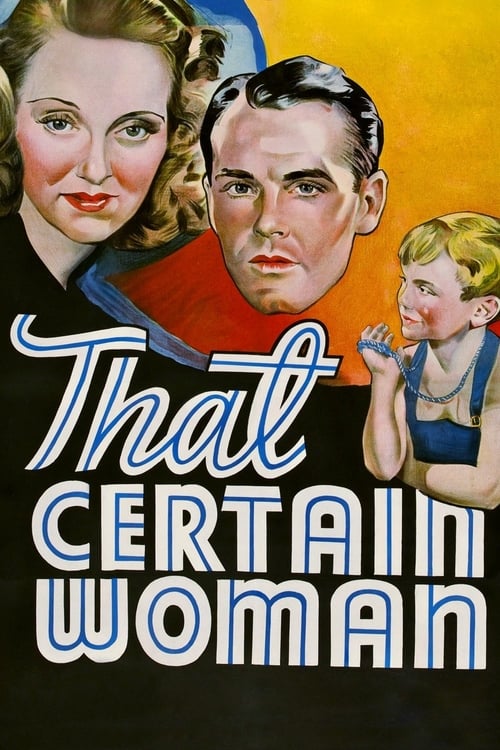
1937

1951

1933
No reviews yet. Be the first to share your thoughts on this movie!
Use the rating form above to leave a star rating and optional review.