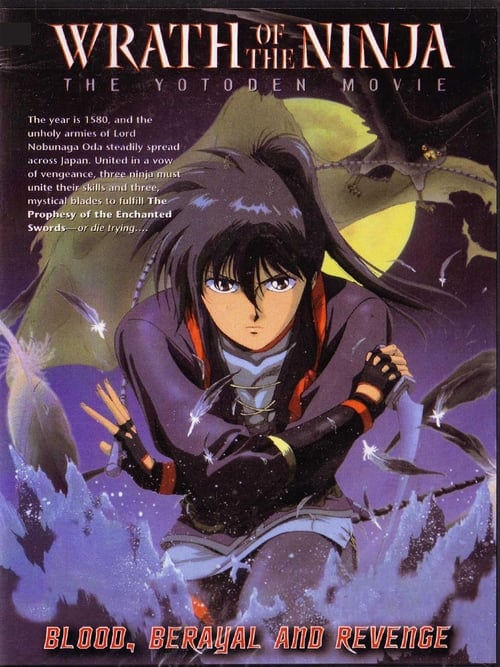
Wrath of the Ninja: The Yotoden Movie
1989
No user ratings available yet
Representation score: 5.9 out of 10
Representation Score
Fair
1990
TV-MADirector
Johei Matsuura
Runtime
55 minutes
Average Rating
No ratings yetNew Showbiz Analysis
The film stands out by presenting women as key figures in combat and spiritual exploration, challenging traditional gender roles. While the story spans from East Asia to Africa, it still adheres to conventional romantic themes. The absence of LGBTQ+ representation and specific disability depictions narrows its social scope. However, the film offers a nuanced approach through its focus on individual ability to act and its ability to transcend localized action clichés.
Category Breakdown
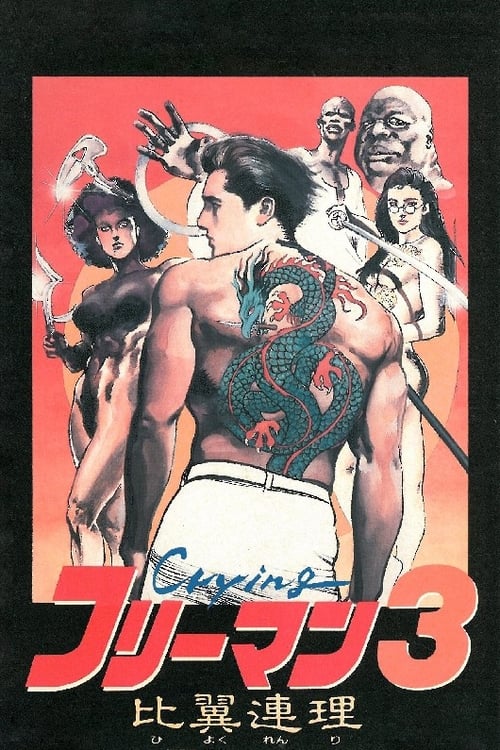
The story focuses on the committed romantic relationship between Ron Tayan and Fu Ching Ran. It does not include non-traditional gender identities or critiques of the assumption that everyone is straight.
Female characters play significant roles, such as Fu Ching Ran discovering her warrior identity and Bugnug as a strong military commander.
The setting transitions from Hong Kong to Africa, introducing diverse characters through the African Tusk syndicate. This global perspective highlights cross-cultural interactions.
The narrative examines spiritual relativism through the Muramasa sword's demon spirit, emphasizing individual willpower and situational ethics over strict religious doctrines.
There are no visible depictions of physical or neurodivergent disabilities serving as central plot points.
Present on Screen
Limited or Absent
Official Synopsis
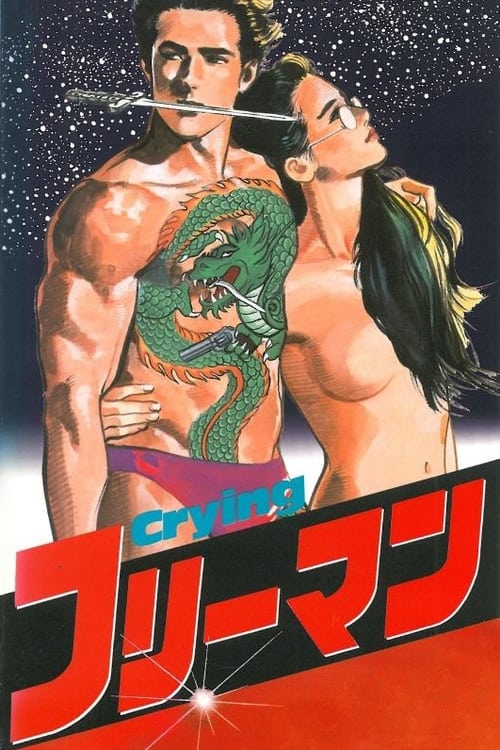
Ron Tayan now leads the 108 Dragons; Fu Ching Ran is his loyal wife. As their body tattoos show, he's the dragon, she's the tiger. The 108 Dragons are attacked by African Tusk, a syndicate intent on world control. Ron goes to Africa, dealing first with Shicaro, African Tusk's assassin, then with Jagone, its leader. Despite his success, he must still face Bugnug, Jagone's muscular and athletic military commander: Ron gives her a new name, Dark Eyes. Back in Hong Kong, Fu faces danger as well. A Muramasa sword with a dark history and, seemingly, its own demon spirit, falls into her hands. She seeks to tame it, and in the process, discovers her inner warrior identity
1989
1997
1988
1998
1992
2009
1989
1995
No reviews yet. Be the first to share your thoughts on this movie!
Use the rating form above to leave a star rating and optional review.