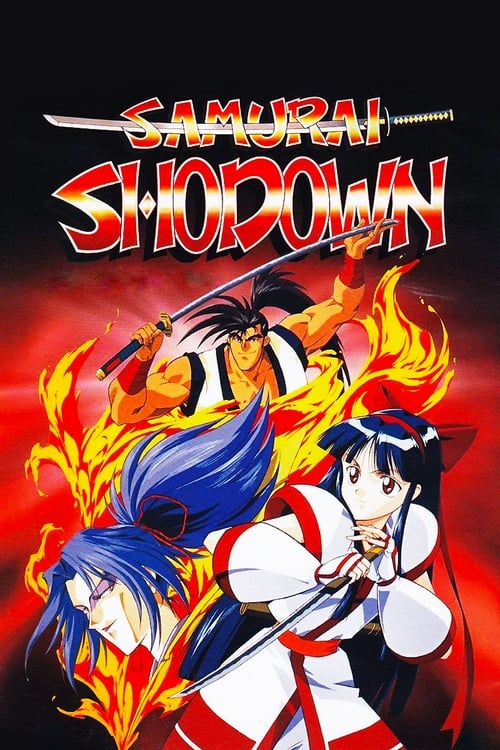
Samurai Shodown: The Motion Picture
1994
No user ratings available yet
Representation score: 3.9 out of 10
Representation Score
Fair
1989
Not RatedDirector
Toshiyuki Sakurai, Osamu Yamasaki
Runtime
87 minutes
Average Rating
No ratings yetNew Showbiz Analysis
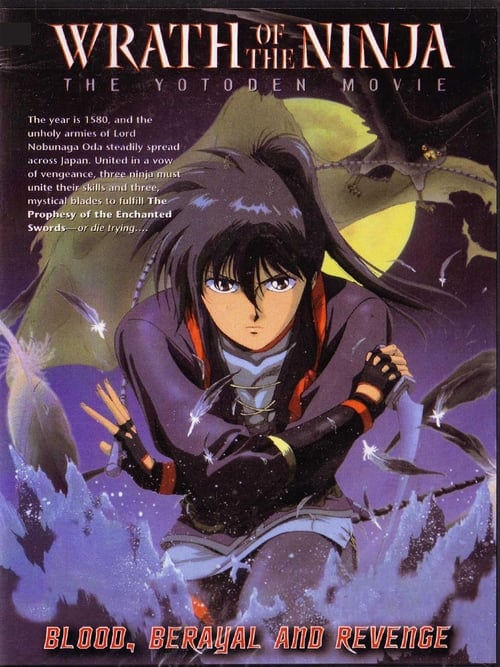
The film stands out for its subversion of gendered power dynamics. By centering a highly capable female lead who drives the quest to overthrow a tyrant, it moves beyond standard period-piece clichés. While the historical setting limits racial and LGBTQ+ diversity, the narrative finds depth in the social exclusion of its protagonists. The focus on outcasts and renegades provides a framework for exploring identity through status. Ultimately, the film's strength lies in its critique of systemic corruption and traditional hierarchy, using mystical elements to challenge oppressive authority.
Category Breakdown
The film lacks explicit LGBTQ+ characters or non-straight relationships. The narrative focuses on a trio of renegade warriors without specific symbols indicating queer identity.
A female protagonist drives the plot with superior martial skills. She challenges the traditional damsel cliché by actively working to overthrow a patriarchal authority.
The cast is ethnically homogeneous, reflecting the historical setting of 1580 Japan. However, the story explores identity through the lens of underrepresented ninjas operating outside social orders.
The story critiques centralized power by framing Lord Nobunaga as a tyrant. It emphasizes spiritual decision-making and mystical prophecy over established political or religious institutions.
There is no discernible information regarding the inclusion or portrayal of characters with physical or neurodivergent disabilities.
Present on Screen
Limited or Absent
Official Synopsis
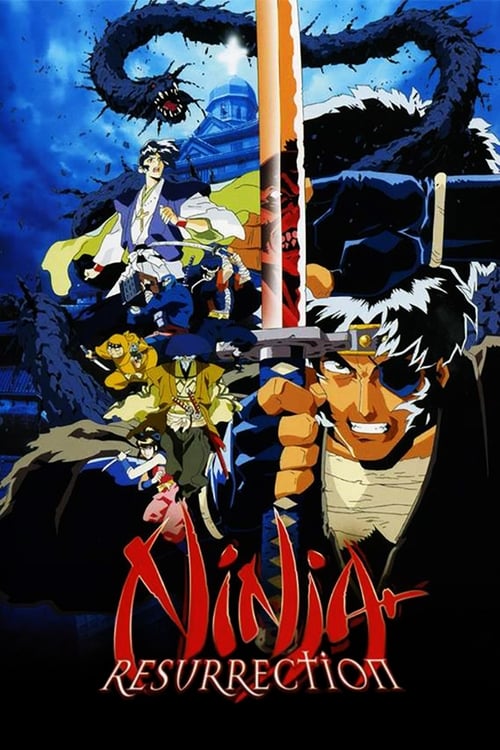
The year is 1580, and the unholy armies of Lord Nobunaga Oda spread across Japan, murdering all who oppose them. Narrowly escaping the slaughter of her clan, a young ninja steals into the shadows. She is the last of her kind, and the dagger she wields is one of three mystical blades that can end Lord Oda's rule. On her quest to overthrow the tyrant, she is joined by two other renegade ninja, possessors of the sacred sword and spear. Together, these shadow warriors must unite their weapons and skills to fulfill the Prophesy of the Enchanted Swords... or die trying.
1994
1997
1992
1988
1990
1991
1993
1997
No reviews yet. Be the first to share your thoughts on this movie!
Use the rating form above to leave a star rating and optional review.