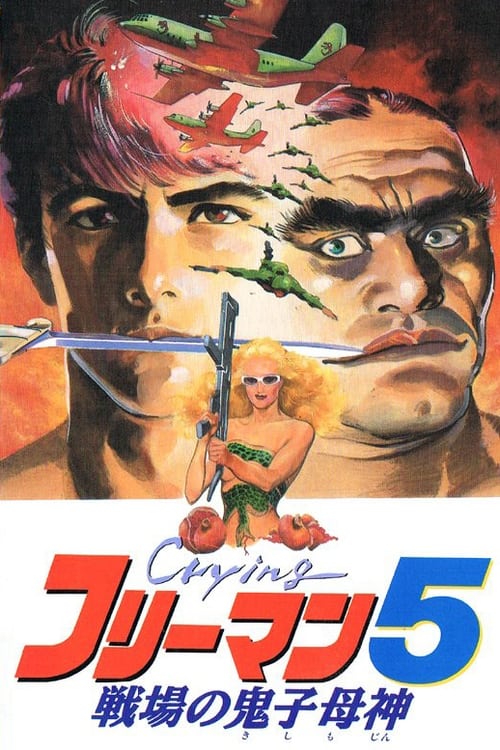
Crying Freeman 5: Abduction in Chinatown
1992
No user ratings available yet
Representation score: 5.5 out of 10
Representation Score
Limited
1988
TV-MADirector
Daisuke Nishio
Runtime
60 minutes
Average Rating
No ratings yetNew Showbiz Analysis
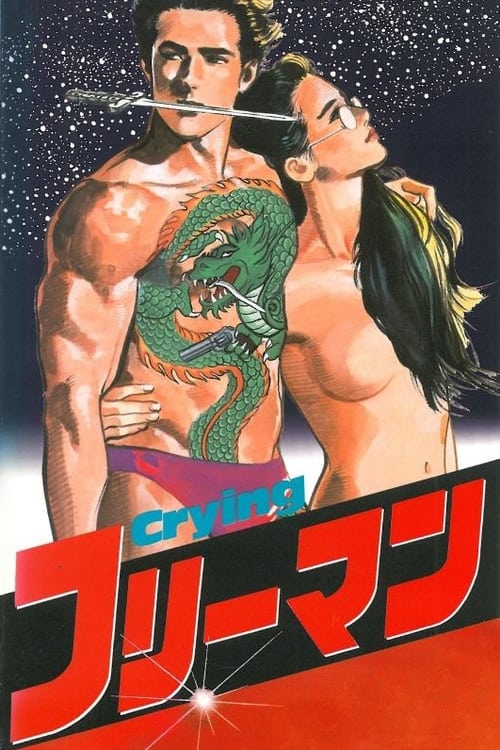
Crying Freeman is a stylized neo-noir that prioritizes genre archetypes over demographic breadth. Its narrative strength lies in subverting the 'invincible' male archetype by linking lethal violence to emotional vulnerability. The film presents a complex, subjective ethical framework that challenges institutional authority. However, it remains anchored in traditional gender hierarchies. The romantic structure is strictly straight-centered, and the multi-ethnic criminal landscape relies on standard organized crime clichés. Ultimately, the work functions as a character study of moral relativism rather than a vehicle for diverse identity representation.
Category Breakdown
The film centers on a romantic relationship between a man and a woman. There are no representations of queer narratives or non-cisgender identities.
The male lead drives the physical action but also weeps, which challenges the typical stoic masculinity stereotype. The female lead mainly serves as a romantic catalyst.
The setting is predominantly Japanese, featuring a Chinese Mafia organization within the Tokyo underworld. This introduces ethnic diversity through standard crime genre elements.
The story critiques established institutions by showing corrupt police and ineffective laws. It emphasizes a personal ethical code over institutional morality.
There are no identifiable depictions of physical or neurodivergent disabilities. Characters are defined by their high-stakes physical abilities.
Present on Screen
Limited or Absent
Official Synopsis
Emu Hino, a 29-year-old virgin, witnesses a mob hit and fears that the killer will now find her and kill her. Indeed, he sets out to do so; he's Yo Hinomura, a talented potter and artist who's been conscripted against his will to be the prime hitman for the 108 Dragons, a gang within the Chinese Mafia, who are determined to push aside Tokyo's local crime lords. He breaks into her house, and she asks that he make love to her before he kills her; she connects to his inner self, and he becomes her protector. Now he must defend her against the local crime gang, who have connections with corrupt Tokyo police. Will Yo and Emu make it out alive, and will the 108 Dragons triumph?
1992
1998

1999
1999
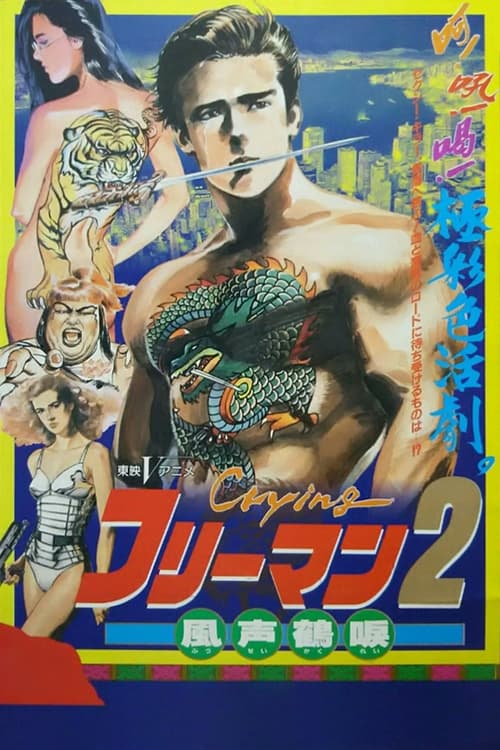
1989
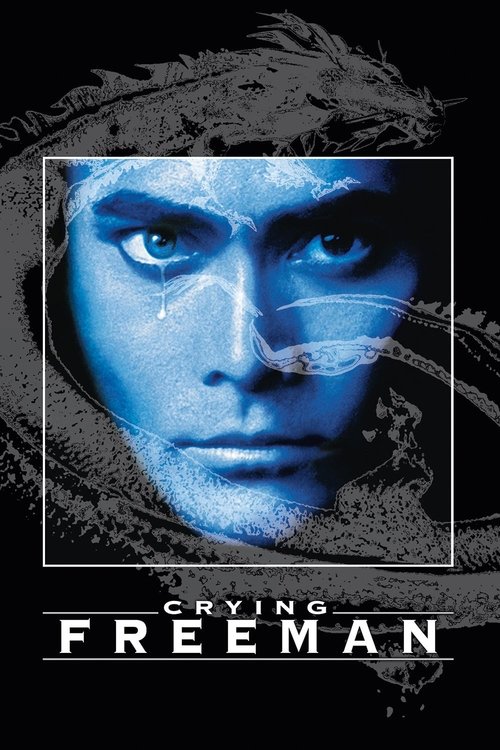
1995
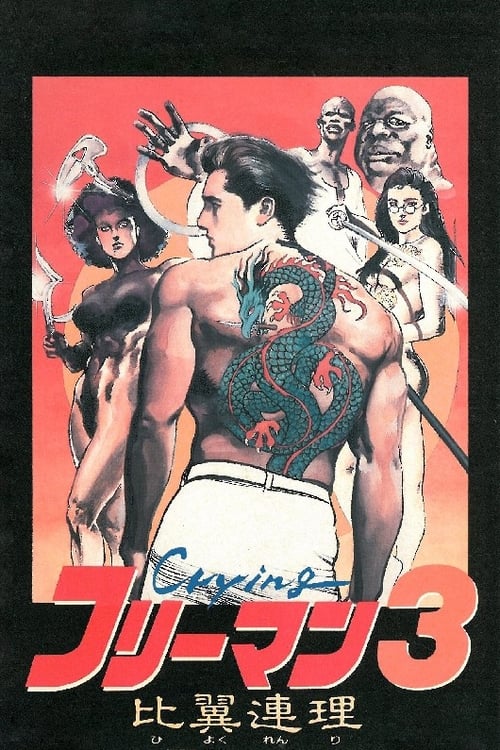
1990
1999
No reviews yet. Be the first to share your thoughts on this movie!
Use the rating form above to leave a star rating and optional review.