
DC Showcase: Jonah Hex
2010
No user ratings available yet
Representation score: 1.8 out of 10
Representation Score
Fair
2009
TV-MADirector
Fuminori Kizaki
Runtime
101 minutes
Average Rating
No ratings yetNew Showbiz Analysis
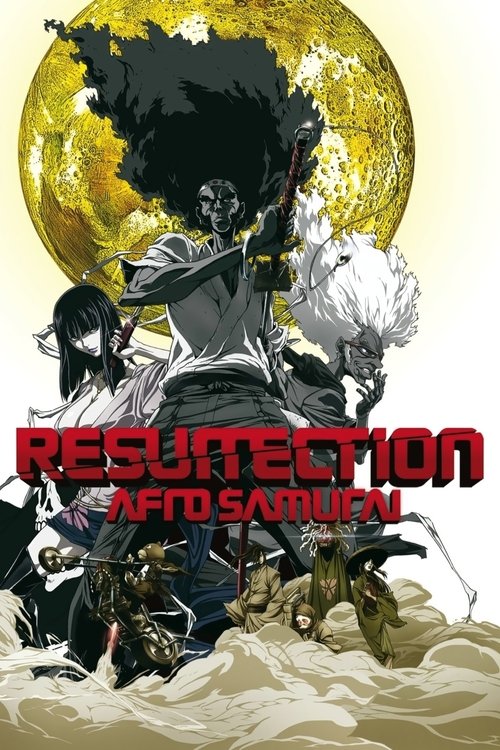
Afro Samurai: Resurrection stands out as a work of narrative disruption, primarily through its bold racial diversity. By placing a Black protagonist within a stylized Japanese historical framework, the film successfully challenges the ethnic exclusivity of the samurai genre. While the film excels in racial representation, it remains traditional in other areas. The story centers on individualistic violence and lacks any meaningful focus on LGBTQ+ identities or specific disability representation. However, the film avoids common pitfalls in gender dynamics. By portraying women as capable, high-stakes combatants rather than mere plot devices, it offers a more sophisticated approach to character's ability to drive the story within an action-driven medium.
Category Breakdown
The film does not focus on non-straight relationships or provide any depictions of same-sex intimacy or critiques of the assumption that everyone is straight. It remains largely neutral in this regard.
Female characters like Yuki are presented as autonomous, highly skilled combatants who play a significant role in driving the story. They function as active participants in the violence rather than passive emotional catalysts.
The film places a Black protagonist in a mythic, feudal Japanese setting, challenging the ethnic homogeneity typically found in samurai stories. This choice effectively disrupts the usual racial composition of such narratives.
The setting is a lawless, postmodern landscape where personal codes supersede institutional authority. This favors individualistic rebellion over established social or religious orders.
There are no prominent depictions of physical or neurodivergent disabilities that serve as central character traits or drive the plot.
Present on Screen
Limited or Absent
Official Synopsis
Afro Samurai avenged his father and found a life of peace. But the legendary master is forced back into the game by a beautiful and deadly woman from his past. The sparks of violence dropped along Afro’s bloody path now burn out of control – and nowhere are the flames of hatred more intense than in the eyes of Sio.
2010
2007
2020
1997

2013
2022
2021
2020
No reviews yet. Be the first to share your thoughts on this movie!
Use the rating form above to leave a star rating and optional review.