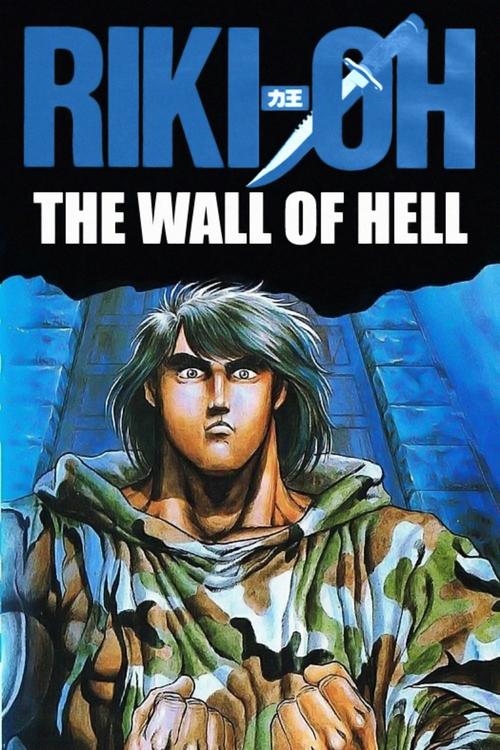
Riki-Oh: The Wall of Hell
1989
No user ratings available yet
Diversity score: 4.9 out of 10

1990
Director
Satoshi Dezaki
Runtime
46 minutes
Average Rating
No ratings yetSynopsis
Riki finds himself in the town of Misaki, dotted with illegal nuclear power plants and run by a religious fanatic military organization called "God's Judgment." He is taken prisoner and made to fight in gladiatorial matches in a sprawling arena. He finds his brother, whose special powers have given him the name of "Savior," but his reunion with his resentful sibling turns sour rather quickly.
Overall Score
Fair
Category Breakdown
LGBTQ+ Representation
The film lacks any evidence of LGBTQ+ characters or non-cisnormative identities. The narrative focus remains strictly on gladiatorial combat and familial conflict.
Gender Representation
The story centers on masculine archetypes like Riki and his brother. There is no evidence of female agency or women subverting traditional leadership roles.
Racial & Ethnic Diversity
Set in a fictional dystopian landscape, the film prioritizes factional identity over traditional racial categories. There is insufficient evidence of high-agency characters of color.
Religious & Cultural Diversity
The film critiques institutional power through the religious fanaticism of 'God's Judgment.' It also explores anti-industrial themes via illegal nuclear power plants.
Disability Representation
There is no documented portrayal of neurodivergence or physical disabilities. The brother's special powers do not qualify as meaningful disability representation.
Strengths
Areas for Improvement
AI Analysis
Riki-Oh 2: Child of Destruction functions primarily as a systemic critique of religious and industrial corruption. The narrative deconstructs power hierarchies by pitting a protagonist against a predatory, state-sanctioned military organization. However, the film lacks intersectional depth. The storytelling relies heavily on masculine archetypes and traditional combat dynamics, leaving little room for diverse gender or identity-based narratives. While the dystopian setting offers a platform for social commentary, the absence of visible representation for LGBTQ+ individuals and people with disabilities keeps the overall diversity score low.
No reviews yet. Be the first to share your thoughts on this movie!
Use the rating form above to leave a star rating and optional review.