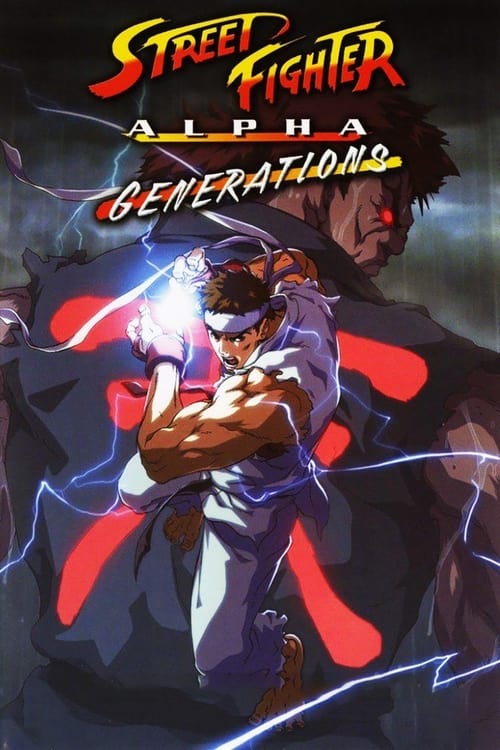
Street Fighter Alpha: Generations
2005
No user ratings available yet
Representation score: 2.0 out of 10
Representation Score
Limited
1992
Not RatedDirector
Hiroshi Fukutomi
Runtime
50 minutes
Average Rating
No ratings yetNew Showbiz Analysis
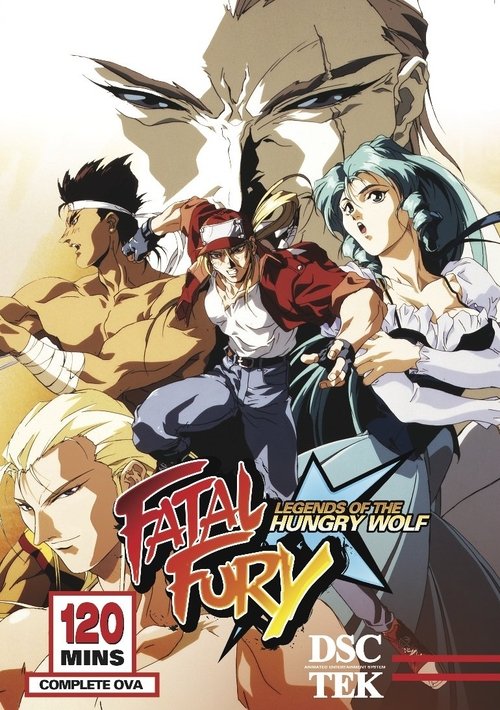
Fatal Fury: Legend of the Hungry Wolf is a traditional martial arts action film centered around Terry Bogard's quest for vengeance against Geese Howard. While the film uses a diverse cast of fighters to create a multicultural urban setting, it remains tied to conventional storytelling formulas. The narrative lacks depth in exploring identity-based power dynamics. It relies on a male-dominated hierarchy where female characters remain peripheral and the plot focuses on individual combat rather than social or systemic issues. Ultimately, the film operates as a typical hero-versus-villain tale. It offers visual variety through its diverse cast but fails to engage with complex themes such as disability, gender equity, or queer identity.
Category Breakdown
The film follows a structure that assumes everyone is straight and cisgender. It focuses on male rivalries and does not depict any non-cisgender identities or same-sex relationships.
The story is primarily focused on male characters and their actions. Female characters play secondary, passive roles without challenging the established male leadership.
The film features a diverse range of fighters from various cultural backgrounds, creating a multicultural backdrop. However, this diversity serves the action rather than providing deeper character development.
The story takes place in a world dominated by organized crime and corruption. It emphasizes personal revenge and martial prowess over broader social or ideological critiques.
The cast showcases peak physical performance. There is no representation of physical, sensory, or neurodivergent disabilities within the main storyline.
Present on Screen
Limited or Absent
Official Synopsis
Terry Bogard's father was murdered by a man named Geese Howard for the purpose of retrieving an ancient manual on martial arts. When Terry grows up he is driven by hatred to avenge his father's death, but must overcome this hatred if he is to complete his training on how to defeat Geese Howard.
2005
1988
1993
1987
1993
2009
1996
1994
No reviews yet. Be the first to share your thoughts on this movie!
Use the rating form above to leave a star rating and optional review.