
Inukami! The Movie
2007
No user ratings available yet
Diversity score: 4.4 out of 10
1991
Director
Yasunori Ide
Runtime
46 minutes
Average Rating
No ratings yetSynopsis
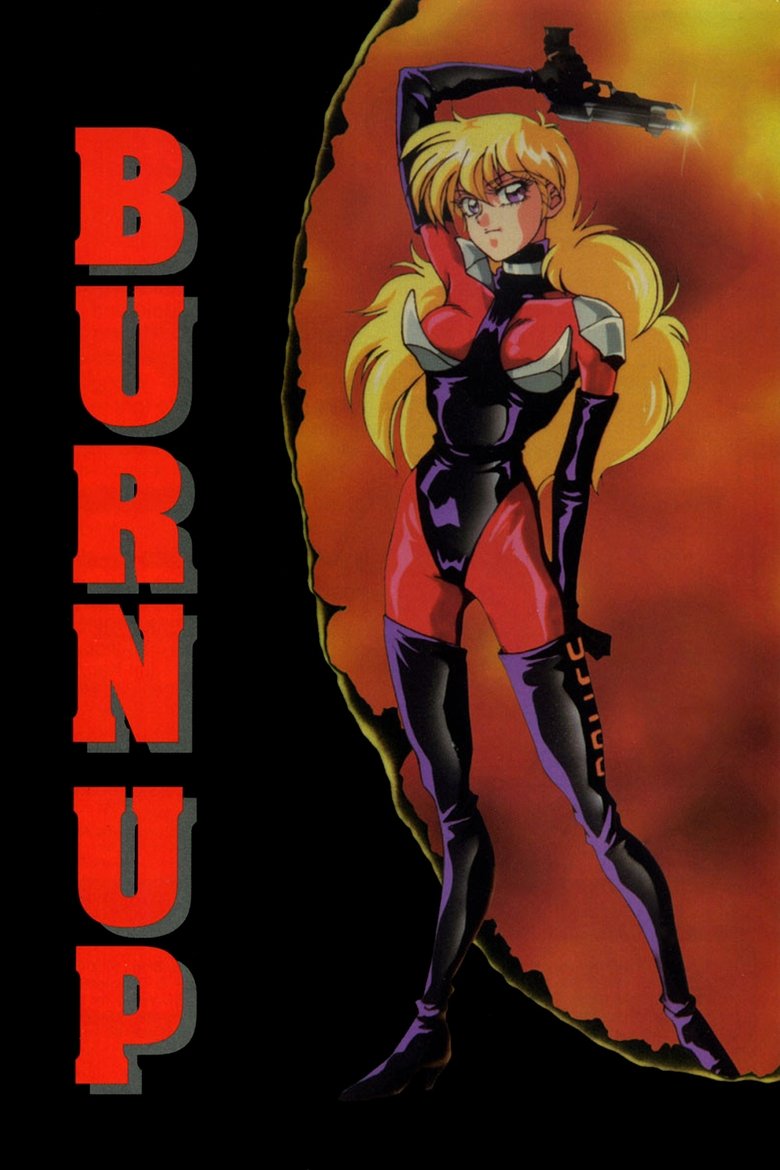
To the unsuspecting eye Maki, Reimi and Yuka may not look like ace crime fighters, which might explain why they're stuck on traffic patrol instead of more "exciting" police duties. All that changes when Yuka gets herself kidnapped by a white slave organization run by a politically connected businessman who's got the rest of the police cowed. Now it's up to Maki and Reimi to don skin-tight battle armor, liberate a tank, and make sure that a certain slaver learns that when you play with fire, you're going to get your ass burned!
Overall Score
Fair
Category Breakdown
LGBTQ+ Representation
The film centers on a female-led trio, moving away from typical male-dominated police tropes. However, there is no explicit confirmation of non-cisnormative identities or romantic subtext.
Gender Representation
Women serve as the primary drivers of action, utilizing specialized armor and heavy machinery. They are positioned as the only competent actors capable of overcoming a cowed, ineffective male-dominated police force.
Racial & Ethnic Diversity
The story features a Japanese context and introduces a white slave organization as the antagonist. There is little evidence of a multi-ethnic cast or intersectional character blending.
Religious & Cultural Diversity
The narrative critiques institutional reliability by portraying the police force as corrupt and ineffective. It emphasizes the protagonists' agency in bypassing failing, politically connected structures.
Disability Representation
The provided material contains no mention of characters navigating physical, sensory, or neurodivergent conditions.
Strengths
Areas for Improvement
AI Analysis
Burn Up subverts traditional law enforcement hierarchies by placing female agency at the center of its high-octane narrative. The protagonists are not sidekicks but the primary force capable of dismantling systemic corruption through physical and intellectual dominance. While the film excels in gender representation, it lacks depth in other intersectional areas. The absence of explicit LGBTQ+ identities and a diverse, multi-ethnic cast prevents a higher overall score. Ultimately, the film is a study in female empowerment within a genre often defined by masculine authority, though it remains focused on a narrow demographic scope.
2007

1992

1994
1988

2011
2003
1996
2000

1990

1989
1998
1999
No reviews yet. Be the first to share your thoughts on this movie!
Use the rating form above to leave a star rating and optional review.