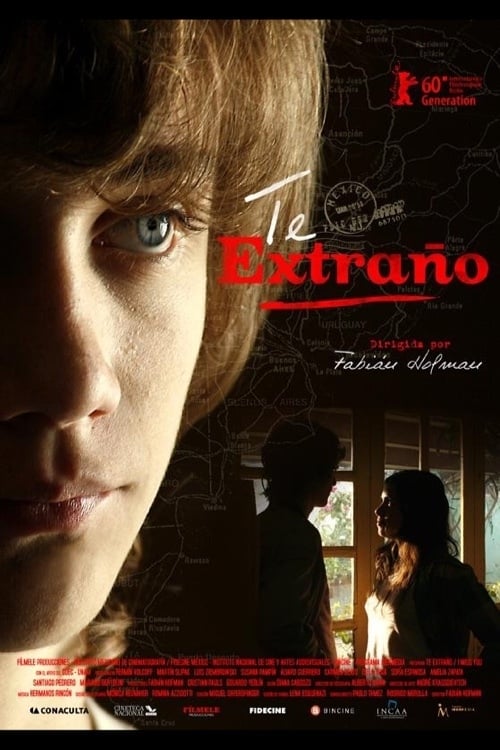
I Miss You
2010
No user ratings available yet
Representation score: 7.9 out of 10
Representation Score
Good
2013
RDirector
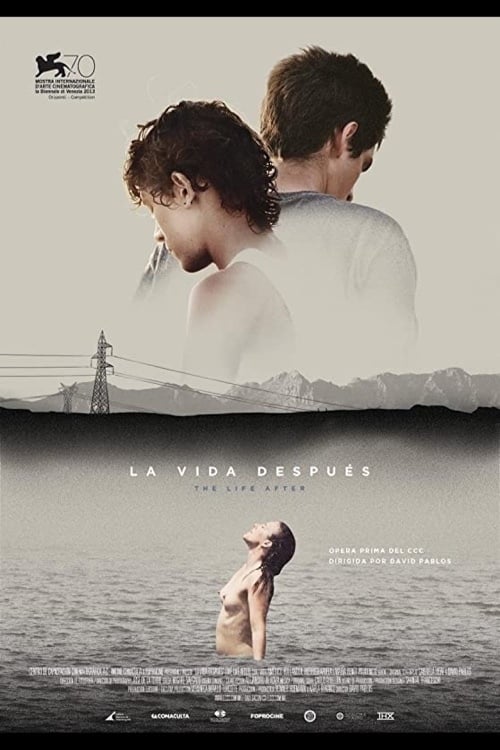
David Pablos
Runtime
90 minutes
Average Rating
No ratings yetNew Showbiz Analysis
David Pablos creates a work of social realism that centers on underrepresented voices. The film avoids romanticizing the domestic sphere, presenting a gritty view of how socio-economic pressures affect families. By emphasizing authentic Mexican social realities and female resilience, the film challenges Western-centric storytelling norms. It provides a nuanced critique of systemic violence and the breakdown of traditional social structures. While the film excels in highlighting ethnic and cultural critique, it remains within a straight-centered framework and offers limited representation of LGBTQ+ identities.
Category Breakdown
The film doesn't include any LGBTQ+ characters or non-cisgender identities. It focuses on the immediate struggles of the protagonists and their survival.
The story challenges traditional gender roles by centering on the psychological burdens and resilience of mothers. It highlights the strength and struggle of women under extreme conditions.
The film features a predominantly Mexican cast that emphasizes the specific cultural context. This choice avoids Western-centric casting and instead focuses on local authenticity.
The film critiques systemic violence and the collapse of social structures. It portrays family life as unstable and marked by grief, rather than as an idealized sanctuary.
Mental health issues are addressed through the mother's disappearance, which triggers the plot. The film focuses on the broader societal impacts of her condition rather than using it as a plot device.
Present on Screen
Limited or Absent
Official Synopsis
Two brothers, Samuel and Rodrigo, live with their mother in a suburban town. One day the mother, who has mental health problems, disappears leaving nothing behind but a note. David Pablos is a young Mexican filmmaker, born in 1982. His first short film, El mundo al atardecer, was made in 2007. La canción de los niños muertos (2008) was his second short film; he presented his first feature-length film Una frontera, todas las fronteras (2010) at the Berlinale Talent Campus before coming to Venice with his second film, La vida despues, for the 70th Venice International Film Festival.
2010

2012
2019

2012
2016

1999

2013

2015
No reviews yet. Be the first to share your thoughts on this movie!
Use the rating form above to leave a star rating and optional review.