Lost and Love
2015
No user ratings available yet
Representation score: 0.8 out of 10
Representation Score
Good
2014
Director
Peter Chan Ho-Sun
Runtime
128 minutes
Average Rating
No ratings yetNew Showbiz Analysis
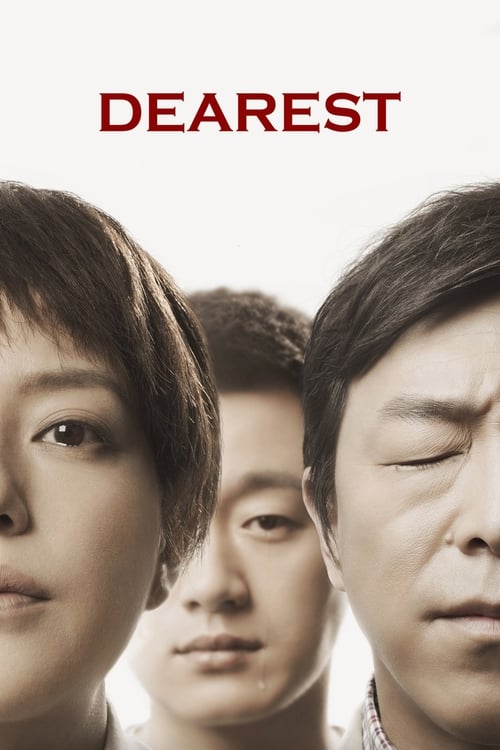
Dearest succeeds as a deconstruction of the traditional family unit, moving away from sentimentalism to critique the systemic pressures of hyper-competitive urban environments. It effectively challenges domestic hierarchies by presenting complex, high-pressure dynamics rather than idealized roles. However, the film's scope is limited by its homogeneous casting and lack of representation for LGBTQ+ identities or visible disabilities. The narrative remains deeply rooted in a specific cultural and straight-centered context. Ultimately, the film's strength lies in its refusal to validate traditional social cohesion, instead exploring how capitalist meritocracy erodes individual autonomy and familial stability.
Category Breakdown
The film does not include any LGBTQ+ characters or narratives. The story revolves around a fractured family structure that assumes everyone is straight or cisgender.
The narrative challenges traditional gender roles by focusing on a high-achieving, career-driven female protagonist. She takes control of the household, acting as an authoritarian figure rather than a nurturing mother.
The production features a homogeneous ethnic cast set in Hong Kong and Shenzhen. It provides an authentic, localized portrayal of a specific demographic without Western-centric casting influences.
The film offers a sophisticated critique of how meritocracy and academic competition permeate the domestic sphere. It portrays traditional institutions as sources of profound psychological distress and systemic dysfunction.
No characters with visible or diagnosed disabilities are explicitly featured. The film focuses instead on the metaphorical psychological fragmentation of the family unit.
Present on Screen
Limited or Absent
Official Synopsis
A story centered around a divorced couple living in a southern Chinese city Shenzhen and dealing with the disappearance of their missing son.
2015

2017
2003
2013
2018

2017

2012

2017
No reviews yet. Be the first to share your thoughts on this movie!
Use the rating form above to leave a star rating and optional review.