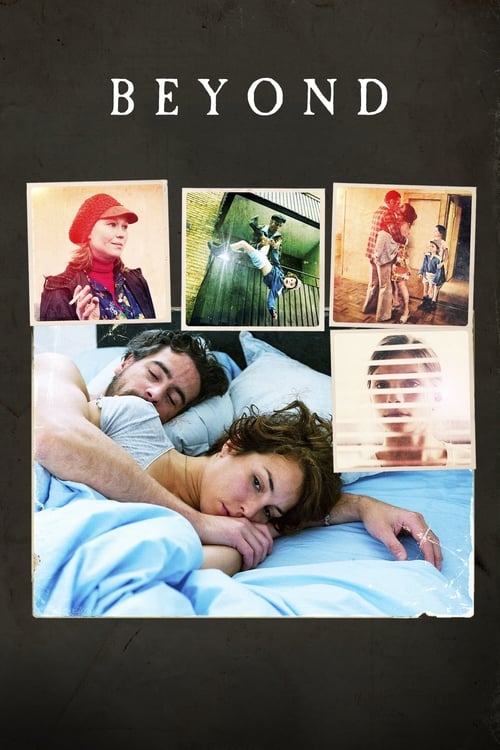
Beyond
2010
No user ratings available yet
Representation score: 4.5 out of 10

Representation Score
Fair
2011
Director
Hans Steinbichler
Runtime
99 minutes
Average Rating
No ratings yetNew Showbiz Analysis
Promising the Moon is a sophisticated character study that emphasizes human vulnerability rather than challenging systemic issues. It avoids the trap of inspirational clichés by focusing on illness as a central theme. The film includes Mexican actor Diego Luna, adding a layer of cultural diversity. However, it stays within conventional storytelling boundaries, lacking LGBTQ+ representation and not challenging traditional masculine roles or straight-centered structures.
Category Breakdown
The film follows traditional romantic storylines where a male character pursues a female character. There is no representation of LGBTQ+ relationships or characters.
The story delves into the emotional lives of female characters and the complexities of being a mother. It avoids idealizing motherhood but does not challenge traditional masculine leadership roles.
Including Mexican actor Diego Luna brings a cross-cultural element to the cast. This inclusion adds a layer of racial diversity to the predominantly Western European setting.
The narrative focuses on personal emotional journeys and subjective morality rather than institutional structures. It uses a journey to explore and deconstruct characters' past experiences.
The storyline revolves around a terminal illness that shapes the main character's journey. The depiction of the character's physical and mental decline provides a nuanced view of vulnerability.
Present on Screen
Limited or Absent
Official Synopsis
Throughout her life Marga has shown little feeling for her daughter Sofia. But now she reveals fear, wounds and a deep longing for her long-deceased husband Juris. She becomes increasingly lost in her forgetfulness and suddenly demands, like a child, gentleness. It’s an uncomfortable situation for Sofia who must now take care of her mother. Sofia’s growing realization that Marga’s past also affects her own gives Sofia impetus to make a sudden journey with her mother to Riga. This is where Marga grew up and where she married Juris. But the more Sofia learns about her mothers, the less clear it becomes who she herself is.
2010

2014

2017

2010

2016

2018

2010
2004
No reviews yet. Be the first to share your thoughts on this movie!
Use the rating form above to leave a star rating and optional review.