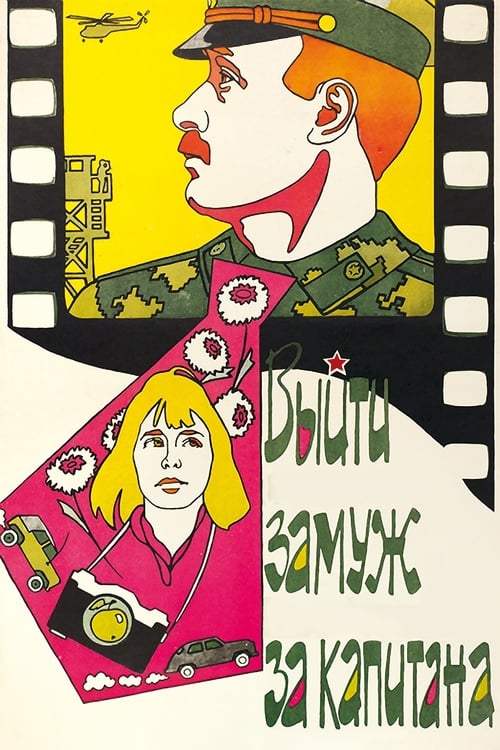
To Marry the Captain
1985
No user ratings available yet
Diversity score: 3.3 out of 10
1972
Director
Igor Usov
Runtime
82 minutes
Average Rating
No ratings yetSynopsis
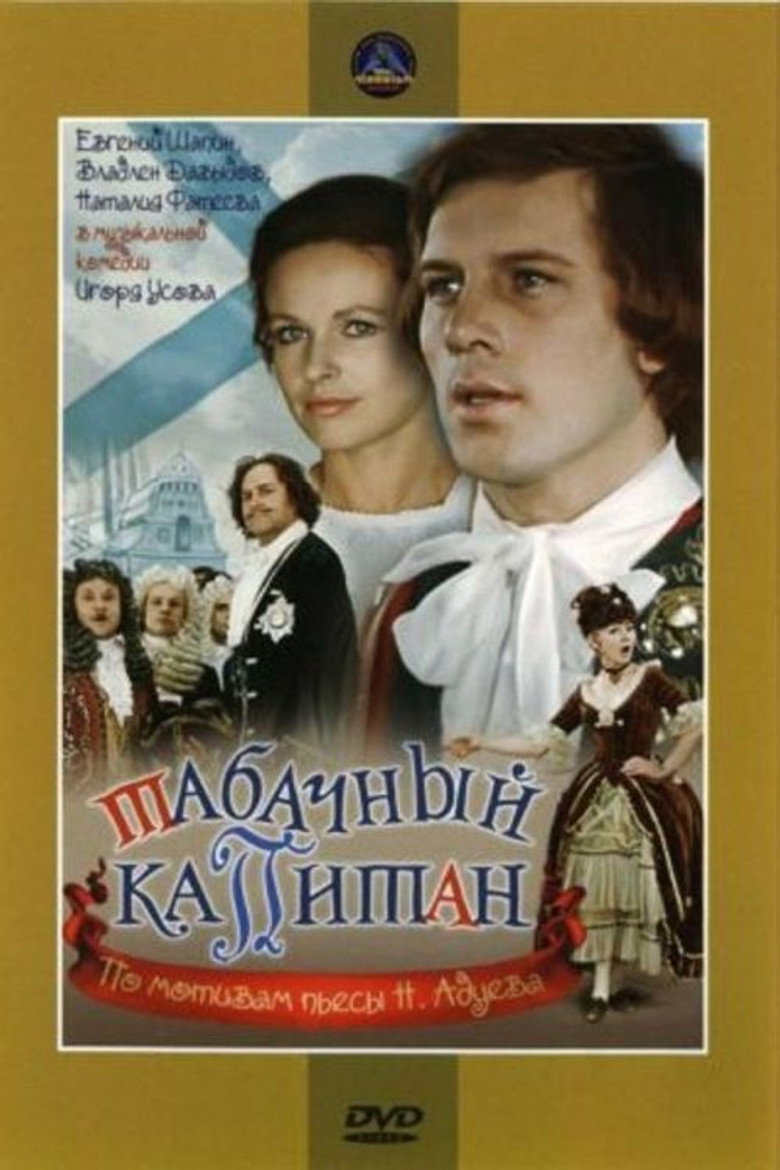
Set in beginning of 1700's, when tsar Pyotr was raising from ashes Russian fleet and sent dozens young people overseas to become navigators, story tells us about proud man who changed his stars. Taking place of his lazy master, he graduates from university and comes back to be judged by the one who send them.
Overall Score
Limited
Category Breakdown
LGBTQ+ Representation
The film adheres to traditional romantic genre conventions of its era. There is no evidence of LGBTQ+ characters or narratives that challenge heteronormativity.
Gender Representation
The central narrative arc is driven by a male protagonist's intellectual and social ascent. There is no indication of female agency or the subversion of gender-based power dynamics.
Racial & Ethnic Diversity
The setting suggests a historically homogeneous Slavic cast focused on internal Russian social structures. While the plot involves overseas travel, there is no evidence of diverse intersectional casting.
Religious & Cultural Diversity
The story explores the tension between traditionalism and modernization during the reign of Peter the Great. It highlights a shift toward meritocracy over inherited social status.
Disability Representation
The film provides no information regarding the portrayal of physical or neurodivergent characters.
Strengths
Areas for Improvement
AI Analysis
The Tobacco Captain is a period romance-comedy that prioritizes themes of social mobility and class transition over identity-driven representation. The narrative focuses on a man's journey from servitude to becoming a university-educated navigator, emphasizing individual achievement within a specific historical Russian context. While the film successfully deconstructs rigid class hierarchies through its protagonist's meritocratic rise, it lacks breadth in other areas. The focus remains heavily on a male-driven trajectory, leaving little room for diverse gendered or intersectional perspectives. Ultimately, the film serves as a study of state-driven modernization and social climbing. It functions as a traditional period piece that lacks the modern complexity required for a high diversity rating.
1985

1964
1948
1982
1983
1978
1954

1971
1979
1958
1941

1972
No reviews yet. Be the first to share your thoughts on this movie!
Use the rating form above to leave a star rating and optional review.