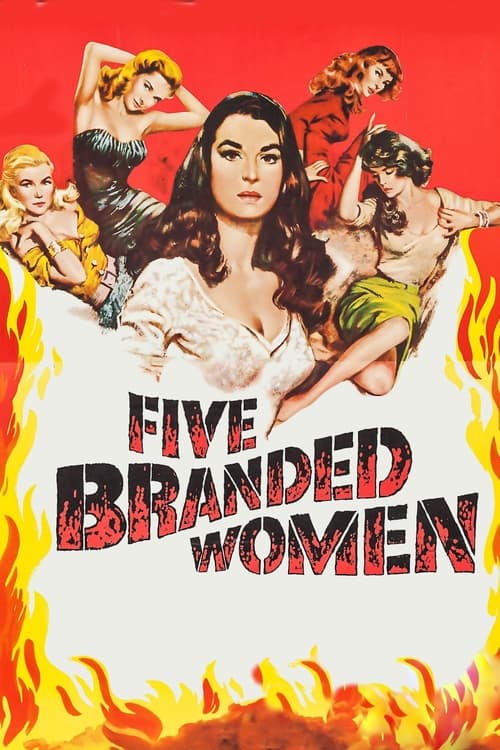
Five Branded Women
1960
No user ratings available yet
Representation score: 5.7 out of 10
Representation Score
Minimal
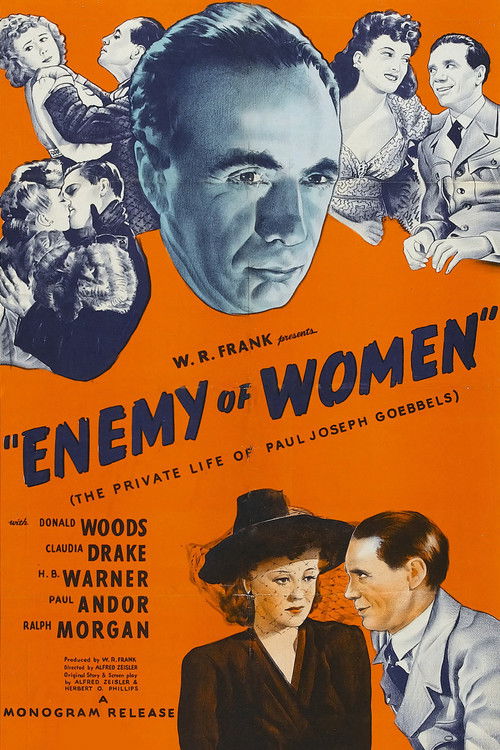
1944
NRDirector
Alfred Zeisler
Runtime
72 minutes
Average Rating
No ratings yetNew Showbiz Analysis
Enemy of Women is a product of a highly restrictive historical period, designed to uphold traditional social, racial, and gender hierarchies. The narrative emphasizes the personal and political drama of a central state figure, reinforcing the nationalist ideologies prevalent in 1944 Germany. The film lacks any meaningful representation of diverse identities, operating within the rigid social constraints of its time. It focuses on patriarchal structures and state-mandated racial homogeneity. Ultimately, the film serves as a tool for reinforcing existing state hierarchies rather than exploring a wide range of human experiences.
Category Breakdown
The film focuses on the personal and political life of a central male figure, with no representation of LGBTQ+ identities or non-cisgender perspectives.
The narrative centers on a dominant male character, where female characters play secondary roles and have limited influence on the story's progression.
Produced in 1944 Germany, the film reflects a racially homogeneous society with no evidence of diverse racial or ethnic backgrounds.
The work adheres to a singular, state-sanctioned morality, promoting a nationalist ideology without incorporating diverse cultural or religious perspectives.
There are no specific details regarding the depiction of physical or neurodivergent characters.
Present on Screen
Limited or Absent
Official Synopsis
Playwright Joseph Goebbels turns Nazi propagandist and loses his girlfriend to another man.
1960
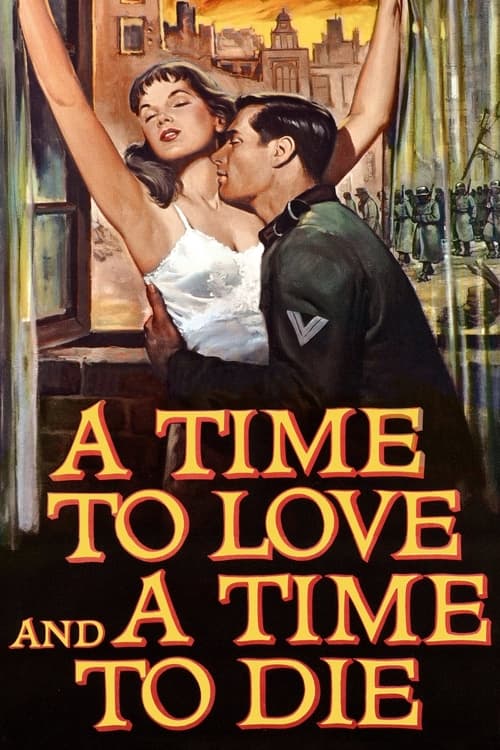
1958
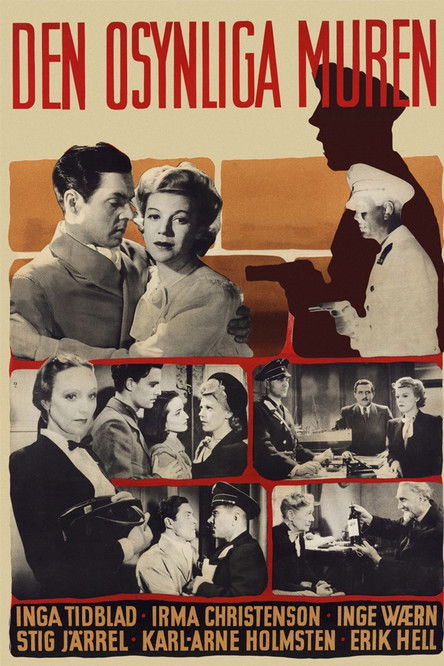
1944
1974
1941

1945
1943
1943
No reviews yet. Be the first to share your thoughts on this movie!
Use the rating form above to leave a star rating and optional review.