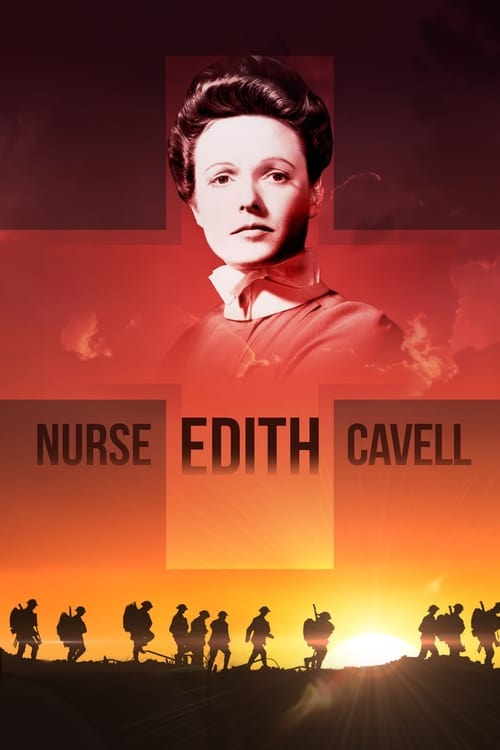
Nurse Edith Cavell
1939
No user ratings available yet
Diversity score: 3.6 out of 10

1943
NRDirector
Dorothy Arzner
Runtime
88 minutes
Average Rating
No ratings yetSynopsis
Merle Oberon plays a Norwegian resistance figure in a small town, married to a Nazi commandant. When his superiors begin to suspect her, the Allies land an assassin to kill him -- an assassin who happens to be her former lover.
Overall Score
Limited
Category Breakdown
LGBTQ+ Representation
The film focuses on traditional romantic entanglements and wartime duty. There are no depictions of same-sex intimacy or non-cisnormative identities.
Gender Representation
Dorothy Arzner centers the narrative on women participating in civil defense and air raid warden services. This elevates female characters from the private sphere to roles of public agency.
Racial & Ethnic Diversity
The cast is predominantly white, reflecting the production standards of 1943. There is an absence of characters of color with meaningful agency.
Religious & Cultural Diversity
The story is rooted in traditional Western values, emphasizing patriotism and community cohesion. It reinforces the moral imperatives of the wartime Allied effort.
Disability Representation
There is no discernible representation of physical or neurodivergent disabilities. Characters are presented through a lens of standard physical capability.
Strengths
Areas for Improvement
AI Analysis
Dorothy Arzner’s direction provides a progressive foundation by emphasizing the psychological depth and agency of women. By placing female characters in active, civic-minded roles like air raid wardens, the film challenges the era's standard of submissive femininity. However, the film remains a period-specific artifact that prioritizes national cohesion over intersectional representation. It functions primarily as wartime mobilization cinema, reinforcing traditional Western institutions and conservative cultural frameworks. While the gender dynamics offer some subversion of domestic hierarchies, the lack of racial, cultural, or LGBTQ+ diversity keeps the narrative tethered to the demographic norms of the 1940s.
1939
1945
1951
1966
1941
1944
1942
1943
1943
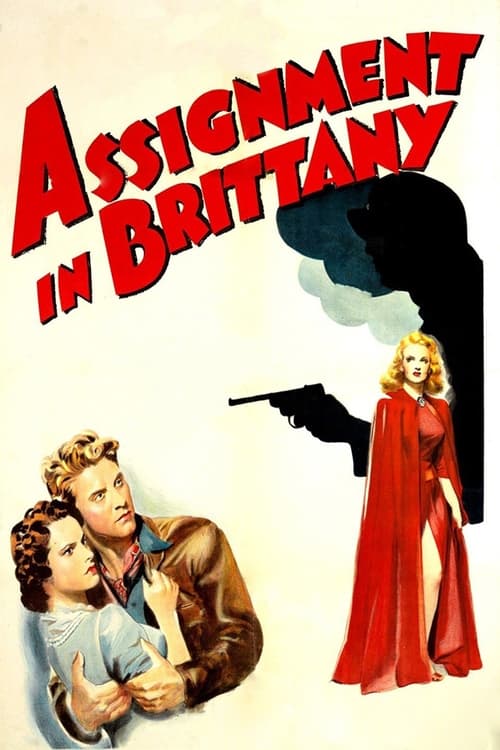
1943
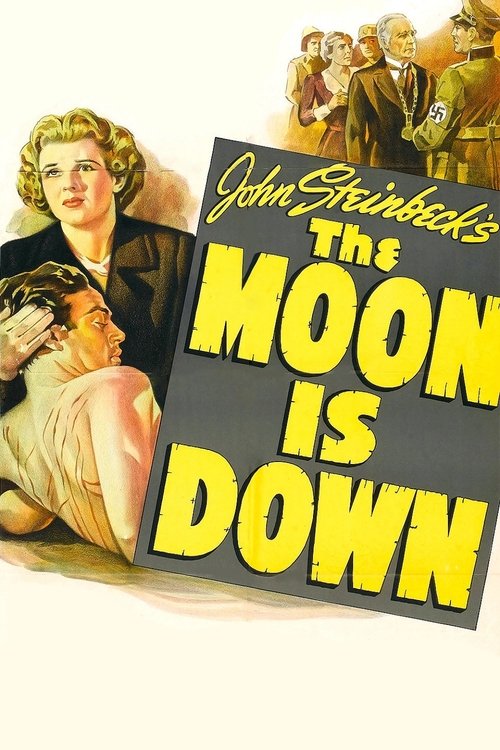
1943
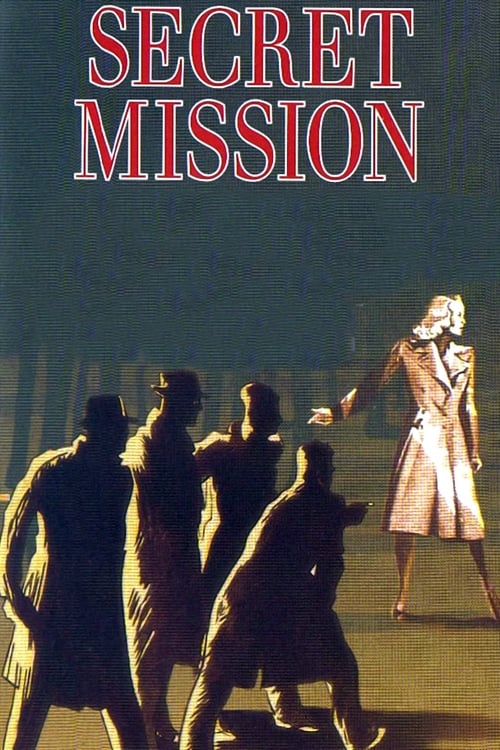
1942
No reviews yet. Be the first to share your thoughts on this movie!
Use the rating form above to leave a star rating and optional review.