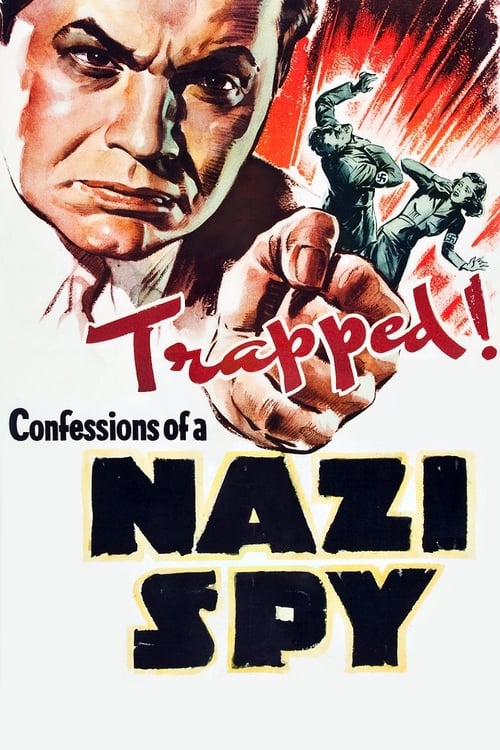
Confessions of a Nazi Spy
1939
No user ratings available yet
Representation score: 1.0 out of 10
Representation Score
Minimal
1943
NRDirector
Alfred E. Green
Runtime
77 minutes
Average Rating
No ratings yetNew Showbiz Analysis
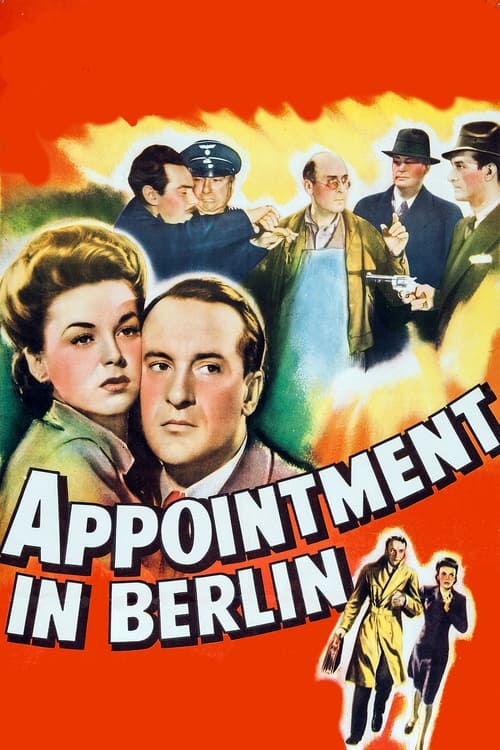
Appointment in Berlin is a quintessential wartime thriller that prioritizes moral clarity over social complexity. It functions as a vehicle for patriotism, reinforcing the traditional hierarchies and values of 1943 through a binary lens of good versus evil. The film lacks any meaningful representation of underrepresented identities. It relies on homogeneous casting and conventional gender roles to drive its espionage narrative, offering little room for perspectives that reflect multiple aspects of identity or diverse character archetypes. Ultimately, the production reflects the industrial requirements of the Hollywood studio system during the era. It seeks to bolster national morale by upholding established social structures rather than challenging them.
Category Breakdown
The film adheres to strict 1940s standards that assume everyone is straight or cisgender. There is no presence of non-straight or non-cisgender identities or same-sex intimacy within the narrative.
The male protagonist, an intelligence agent driving the plot, holds significant control over the story. Female characters primarily serve as emotional anchors or romantic interests.
Casting is homogeneous, centering on white, Anglo-Saxon protagonists. The story focuses on a localized conflict between Western intelligence and Axis powers.
The film promotes traditional Western values and patriotism. It presents a clear moral dichotomy between Allied forces and the Nazi regime.
There are no notable depictions of physical or neurodivergent disabilities. Characters are presented as idealized wartime archetypes.
Present on Screen
Limited or Absent
Official Synopsis
The "war of nerves" which gripped the European continent in 1938, is the background for this war thriller starring George Sanders.
1939

1952
1940
1943

1960

1945
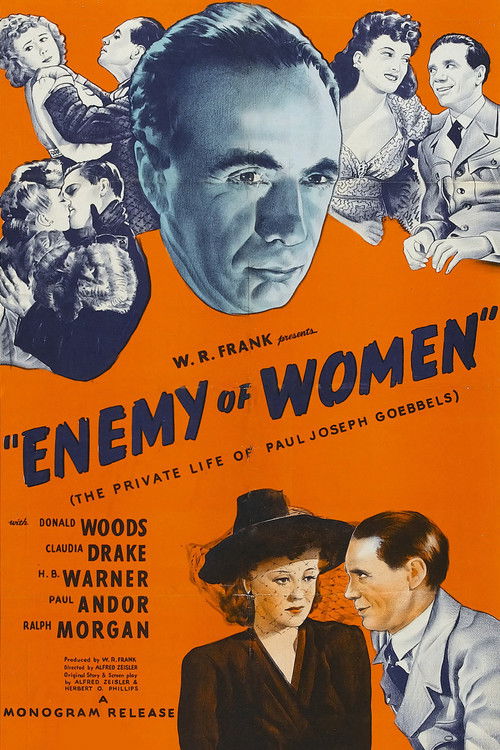
1944

1943
No reviews yet. Be the first to share your thoughts on this movie!
Use the rating form above to leave a star rating and optional review.