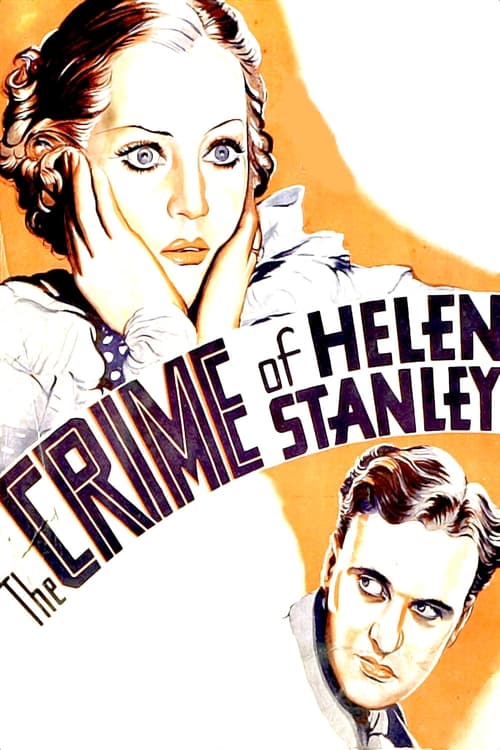
The Crime of Helen Stanley
1934
No user ratings available yet
Representation score: 1.4 out of 10

Representation Score
Limited
1934
NRDirector
William Dieterle
Runtime
68 minutes
Average Rating
No ratings yetNew Showbiz Analysis
Fog Over Frisco operates within the conventions of early 1930s crime thrillers. While the female protagonist Val drives the central investigation, the film remains rooted in the social hierarchies of the time. The narrative lacks complexity, focusing on a mystery involving socialites and the criminal underworld. This structure reinforces existing class distinctions without challenging them. Overall, the film reflects the homogeneous and conventional moral paradigms of the pre-Code era, offering limited critique or diverse representation.
Category Breakdown
The film does not include any characters with non-cisgender identities or same-sex relationships. It adheres to the heterosexual relationships common in 1934 films.
Val plays a significant role in investigating her sister's disappearance, showing ability to act. However, the story often relies on clichés about female vulnerability or moral instability.
The setting focuses on wealthy socialites and reporters, reflecting the predominantly Anglo-Saxon society of the era. There are no diverse characters with significant roles.
The story follows a traditional crime framework that upholds established social orders. Criminal behavior is portrayed as individual deviance rather than a critique of broader societal issues.
The film does not feature any characters with visible or invisible disabilities. Such elements are not used as plot devices or to drive the story.
Present on Screen
Limited or Absent
Official Synopsis
Val takes the assistance of a society reporter and a journalist to investigate the disappearance of her half-sister Arlene, a wealthy socialite who is involved in criminal activities.
1934
1936

1942
1944
1934

1941

1947
1933
No reviews yet. Be the first to share your thoughts on this movie!
Use the rating form above to leave a star rating and optional review.