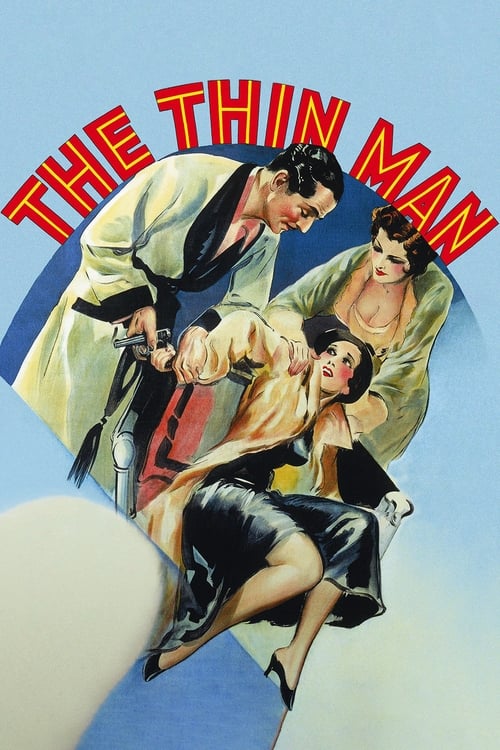
The Thin Man
1934
No user ratings available yet
Representation score: 1.5 out of 10
Representation Score
Minimal
1936
NRDirector
W.S. Van Dyke
Runtime
112 minutes
Average Rating
No ratings yetNew Showbiz Analysis
The film is a polished example of high-society MGM storytelling, but it remains socially homogeneous. Its primary strength lies in its progressive depiction of gender, specifically through Nora Charles's intellectual parity with her husband. This challenges the era's typical female passivity. However, the production is limited by the historical constraints of the 1930s studio system. The world is almost entirely white and centered on a narrow, upper-class social stratum. This lack of racial and cultural variety keeps the overall diversity score low. Ultimately, while the character dynamics offer a modern spark of egalitarianism, the film lacks representation for LGBTQ+ identities and disabilities, remaining firmly within the conventional social structures of its time.
Category Breakdown
The film does not include any LGBTQ+ characters or themes. The story centers around heterosexual relationships and the marriage of the main characters.
Nora Charles subverts the 1930s gender stereotypes by being an intellectually capable partner to Nick. She plays a significant role in driving the story and demonstrates strong competence in the investigation.
The cast is primarily white, reflecting the exclusive New York socialite class. The narrative lacks ethnic diversity and broadens the scope of different backgrounds.
The story operates within traditional Western social and capitalist frameworks. It does not critique institutional power or engage with diverse cultural perspectives.
There are no portrayals of physical or neurodivergent disabilities. The character arcs do not address disability as a theme.
Present on Screen
Limited or Absent
Official Synopsis
After returning to San Francisco, Nick and Nora Charles are drawn into the disappearance of Nora’s cousin’s husband. When he is found murdered, suspicion falls on the troubled family, and Nick reluctantly resumes his detective work. With Nora eagerly at his side, the pair follows a trail of jealousy, blackmail, secret relationships, and long-buried family scandals.
1934
1941
1939
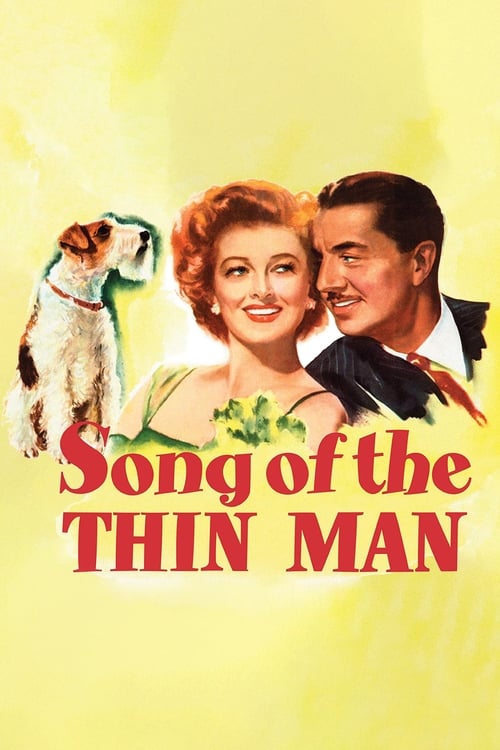
1947
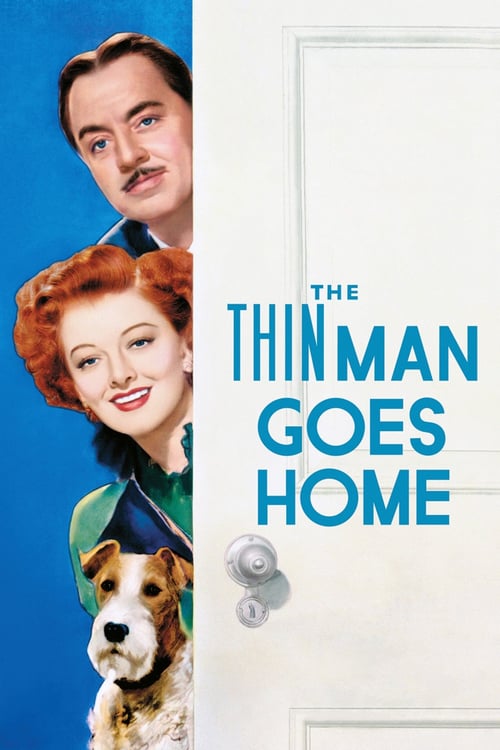
1944
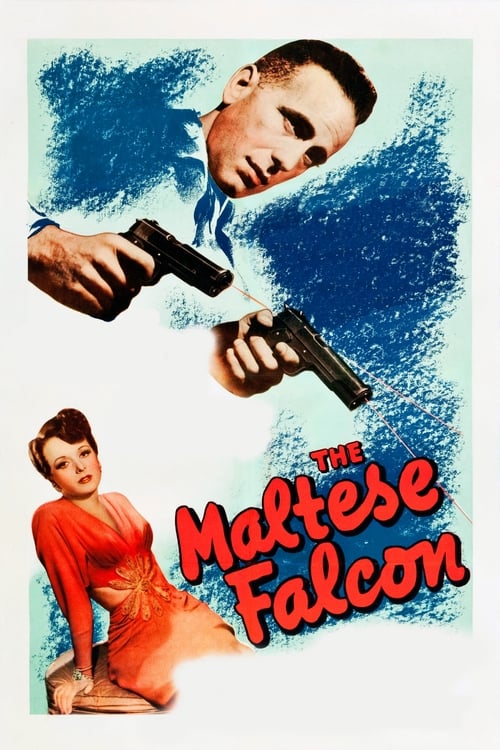
1941
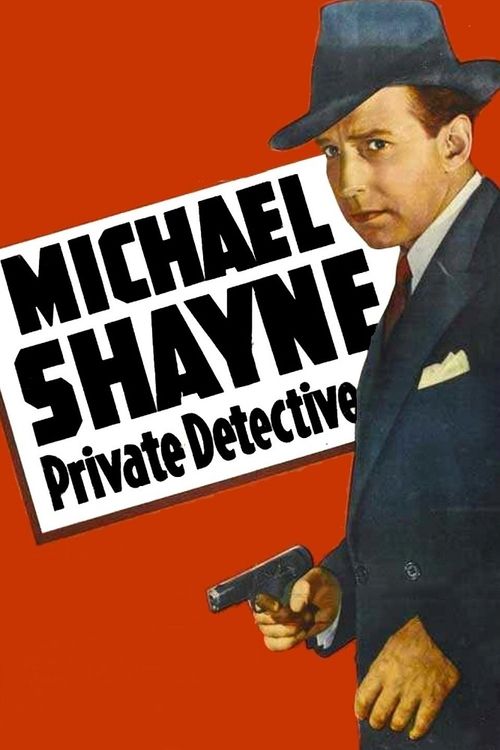
1940
1972
No reviews yet. Be the first to share your thoughts on this movie!
Use the rating form above to leave a star rating and optional review.