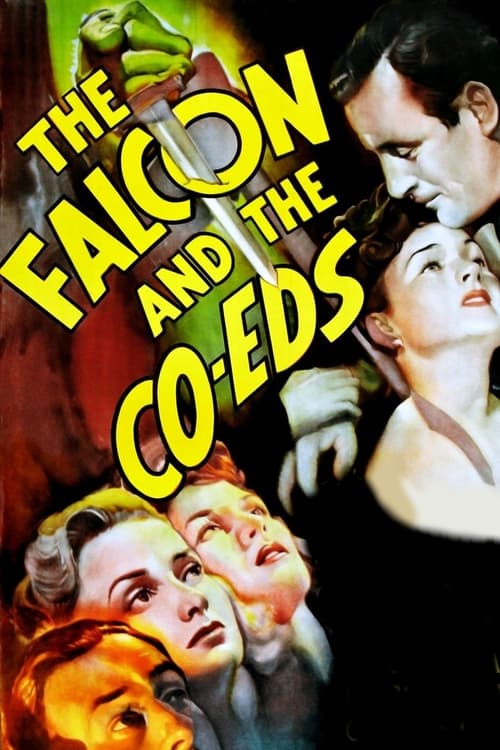
The Falcon and the Co-Eds
1943
No user ratings available yet
Representation score: 1.8 out of 10
Representation Score
Limited
1941
PassedDirector
Elmer Clifton
Runtime
74 minutes
Average Rating
No ratings yetNew Showbiz Analysis
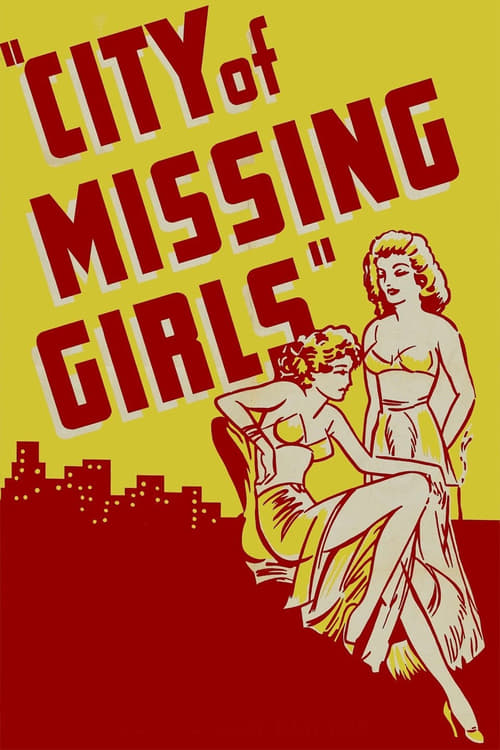
City of Missing Girls is a standard crime mystery that reflects the social hierarchies of the early 1940s. While it offers a female lead with professional empowerment, the film lacks multi-layered complexity. The production adheres to the era's typical genre constraints, focusing on solving a crime rather than offering systemic social critique. This results in a narrative that reinforces traditional institutional stability.
Category Breakdown
The film does not include explicit representations of LGBTQ+ identities or same-sex relationships. It follows traditional mystery clichés common to the era.
A female reporter drives the investigation, providing a sense of professional empowerment. However, the undercover role may still rely on traditional gendered expectations.
The narrative appears to adhere to the homogeneous casting standards of 1941 Hollywood, focusing on white, Anglo-Saxon protagonists and settings without evidence of diverse casting.
The story operates within a traditional framework of justice and social order. It lacks themes that would disrupt the established moral landscape of the period.
There is no information available regarding the depiction of physical or neurodivergent disabilities in this film.
Present on Screen
Limited or Absent
Official Synopsis
A female reporter goes undercover to investigate the series of mysterious disappearances of young women, who were all linked to a local drama school.
1943
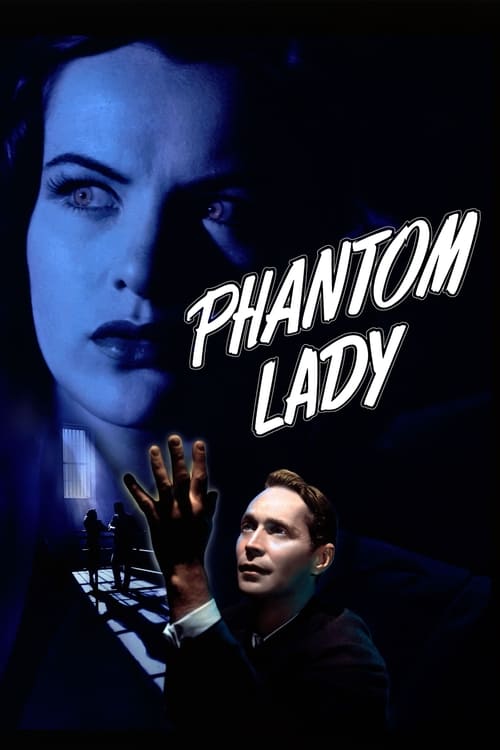
1944
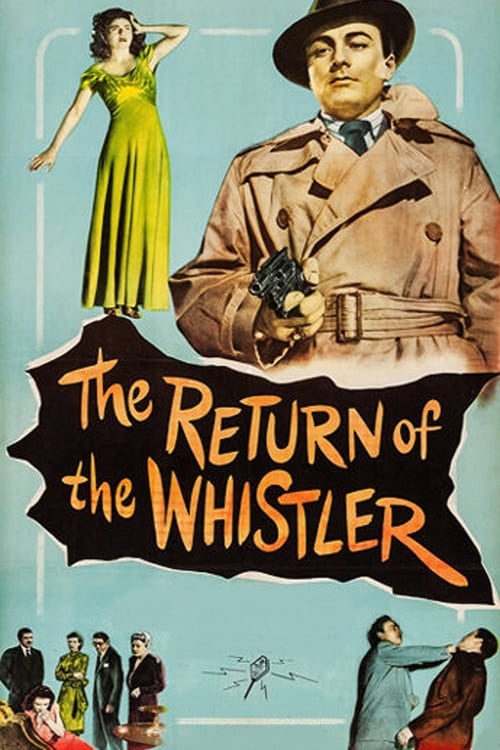
1948
1948

1934
1946
1946
1944
No reviews yet. Be the first to share your thoughts on this movie!
Use the rating form above to leave a star rating and optional review.