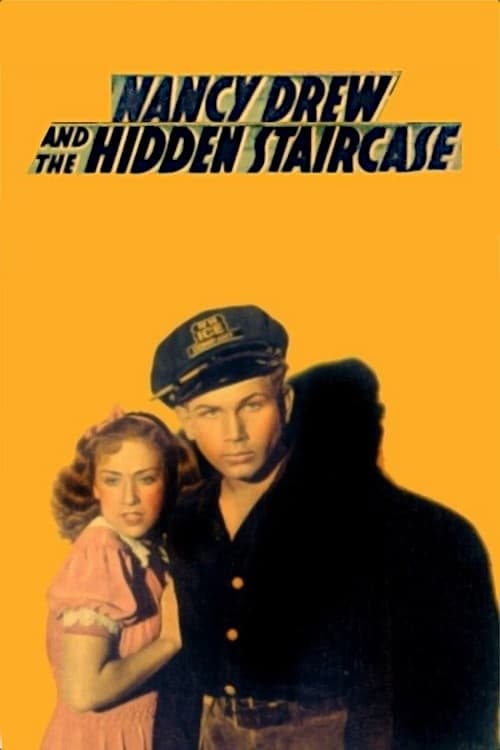
Nancy Drew and the Hidden Staircase
1939
No user ratings available yet
Representation score: 1.5 out of 10
Representation Score
Limited
1933
ApprovedDirector
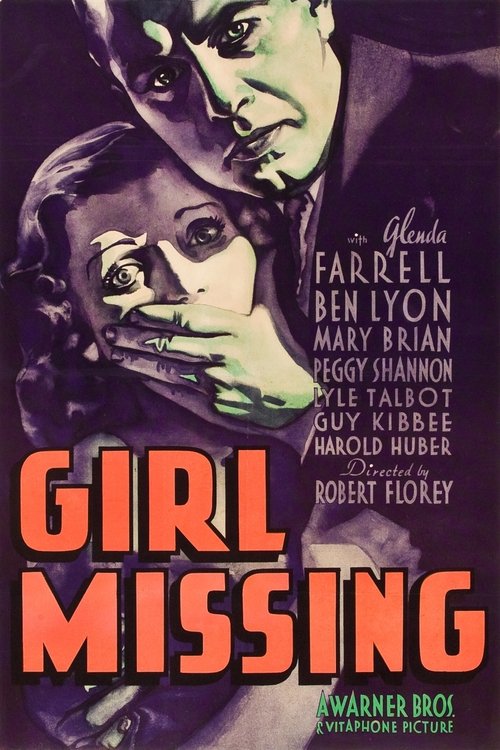
Robert Florey
Runtime
69 minutes
Average Rating
No ratings yetNew Showbiz Analysis
Girl Missing captures the social tensions of the Pre-Code era, particularly through its portrayal of female autonomy. The protagonists navigate a world of economic instability and gendered power dynamics, providing a moderate level of gender representation for its time. However, the film is limited by the demographic norms of 1933. It lacks racial diversity and representation of LGBTQ+ identities or disability. The narrative remains focused on a homogeneous social structure. Ultimately, while the film challenges some traditional hierarchies through its female leads, it does not offer the multi-layered complexity needed for a broader progressive impact.
Category Breakdown
The film does not include any queer romantic arcs or characters with non-straight identities.
Female protagonists Kay and June take control of their lives by resisting unwanted sexual advances and overcoming economic hardships. However, their stories are still tied to traditional social roles and mobility.
The cast and setting are predominantly white and Anglo-centric, with no evidence of racial blending or non-white characters.
The story examines moral ambiguity and the instability of social class through the experiences of showgirls. It focuses on wealth fluctuations without addressing broader institutional critiques.
The plot and character descriptions do not mention any characters with visible or invisible disabilities.
Present on Screen
Limited or Absent
Official Synopsis
Showgirls Kay and June are stranded on Palm Beach when they become involved in the case of a fellow chorine who has gone missing on her wedding night.
1939

1941
1935
1936
1939
1934
1945
1938
No reviews yet. Be the first to share your thoughts on this movie!
Use the rating form above to leave a star rating and optional review.