The Night of the Party
1934
No user ratings available yet
Representation score: 2.5 out of 10
Representation Score
Minimal
1934
NRDirector
D. Ross Lederman
Runtime
58 minutes
Average Rating
No ratings yetNew Showbiz Analysis
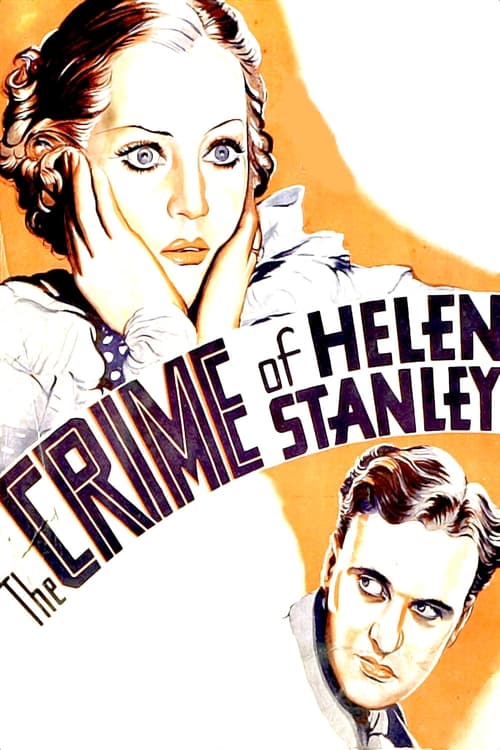
The Crime of Helen Stanley is a typical example of 1930s studio-era filmmaking, prioritizing genre conventions over challenging social norms. The narrative structure relies on traditional formulas, such as the male detective solving the mystery surrounding a female victim's death. Due to the strictures of the Hays Code, the film reinforces established social hierarchies. It lacks meaningful representation of LGBTQ+ identities, racial diversity, or cultural relativism, focusing instead on restoring institutional order. Ultimately, the film serves as a standard crime procedural that mirrors the systemic lack of diversity prevalent in early Hollywood filmmaking.
Category Breakdown
The film does not include any representation of LGBTQ+ identities or same-sex relationships. It follows the strict assumption that everyone is straight or cisgender, which was common in 1930s cinema.
Despite featuring a female actress as a central character, her role is largely defined by her victimization. A male inspector is portrayed as the main intellectual and justice figure in the narrative.
The film showcases the homogeneous casting practices typical of early 1930s Hollywood. It seems to center around a predominantly white, Anglo-Saxon cast without any racial integration.
The story operates within a framework of traditional Western institutions, emphasizing law enforcement and seeking to restore social order through state institutions.
The film does not include any characters with visible or invisible disabilities. Disability is not used as a narrative device or character trait.
Present on Screen
Limited or Absent
Official Synopsis
An actress is murdered in the midst of shooting a dance sequence for her latest picture, with Inspector Steve Trent on the case.
1934
1944
1946
1947

1934

1930

1947
1948
No reviews yet. Be the first to share your thoughts on this movie!
Use the rating form above to leave a star rating and optional review.