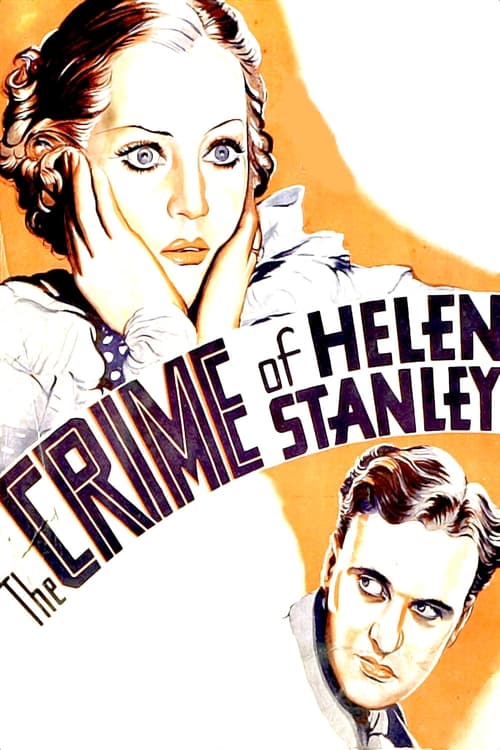
The Crime of Helen Stanley
1934
No user ratings available yet
Representation score: 1.4 out of 10
Representation Score
Limited
1934
Director
Michael Powell
Runtime
63 minutes
Average Rating
No ratings yetNew Showbiz Analysis
Michael Powell's early thriller strictly adheres to the genre conventions and social norms of 1934. The film functions as a traditional mystery that upholds the era's standard depictions of class and social hierarchy. While the inclusion of a female secretary as a central figure offers a slight departure from traditional domestic roles, the film lacks complexity in addressing multiple aspects of identity. It does not challenge the status quo or offer diverse perspectives. Ultimately, the work is a product of its time, prioritizing established clichés over progressive representation or systemic critique.
Category Breakdown
The film does not include any characters with non-binary gender identities or LGBTQ+ orientations. It follows the typical social norms of 1934 British cinema.
A female secretary plays a significant role in the plot, providing some narrative ability to act. However, the story likely depends on traditional gender stereotypes and male-dominated power structures.
The cast likely mirrors the homogeneity of the 1930s society. There is no indication of diverse casting or non-Anglo-Saxon representation.
The narrative operates within a traditional Western mystery framework, focusing on class-based social gatherings and maintaining established social orders.
There is no evidence of characters with visible or invisible disabilities in the film's narrative.
Present on Screen
Limited or Absent
Official Synopsis
A major newspaper publisher dies in suspicious circumstances during a parlour game at a dinner party. The publishers secretary is the obvious suspect, but the inspector isn't so sure ...
1934
1944
1934
1940

1946
1936

1942
1932
No reviews yet. Be the first to share your thoughts on this movie!
Use the rating form above to leave a star rating and optional review.