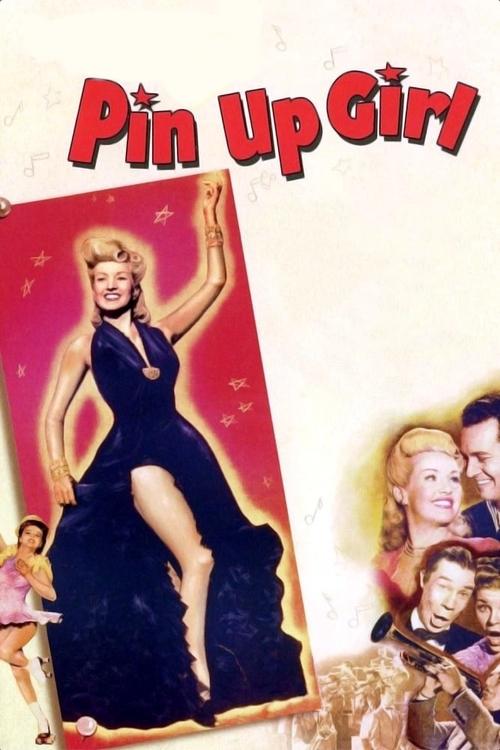
Pin Up Girl
1944
No user ratings available yet
Diversity score: 1.4 out of 10
1951
ApprovedDirector
H. Bruce Humberstone
Runtime
97 minutes
Average Rating
No ratings yetSynopsis
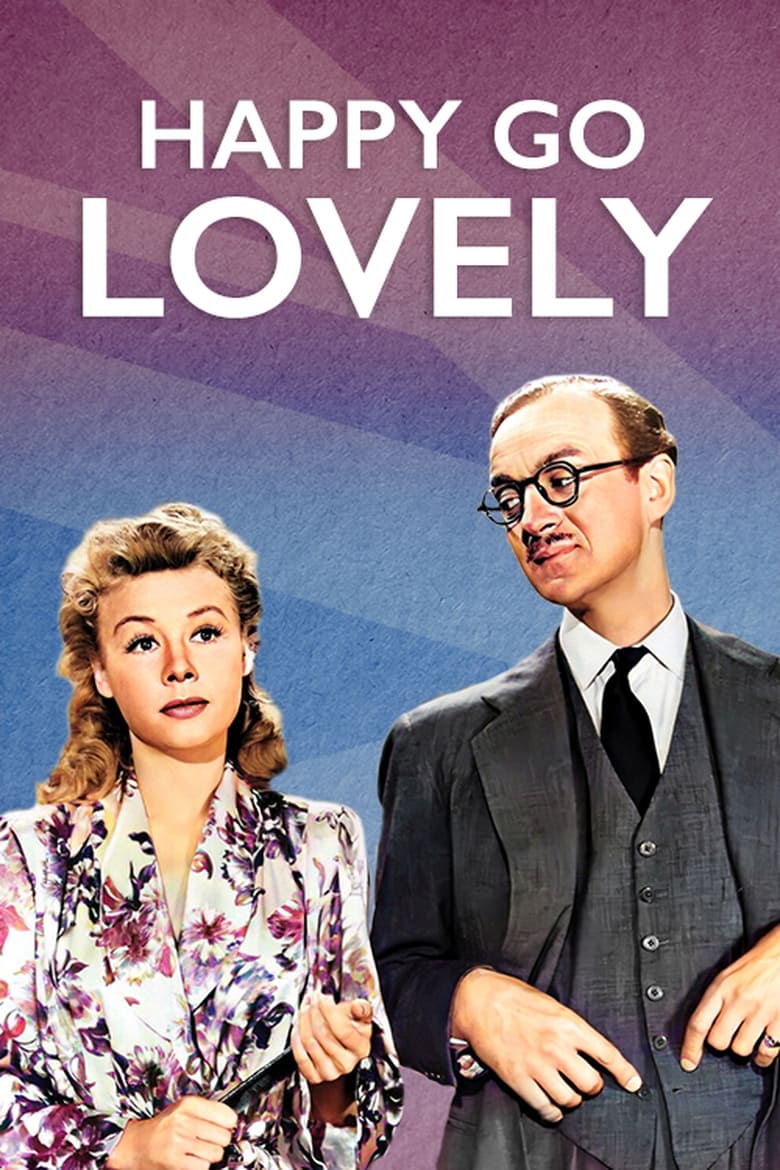
Rich bachelor B.G. Bruno, the head of a successful greeting-card company in Scotland, is essentially a kind man but respectable to the point of stodginess and extreme stuffiness. An American troupe visiting Edinburgh wants to produce a musical in town but has trouble getting financiers. Bruno meets several leading ladies; through a misunderstanding, he doesn't correct their impression that he's a newspaper reporter.
Overall Score
Minimal
Category Breakdown
LGBTQ+ Representation
The film adheres strictly to mid-century production codes. It contains no non-heteronormative identities or same-sex intimacy, focusing entirely on traditional courtship.
Gender Representation
The female lead drives the plot through the 'struggling actress' trope. However, her agency is limited to romantic maneuvering, ultimately reinforcing traditional gender hierarchies.
Racial & Ethnic Diversity
Casting is overwhelmingly homogeneous and white-centric. The film lacks meaningful racial or ethnic diversity within its social landscape.
Religious & Cultural Diversity
The story functions as a standard romantic comedy that upholds social stability. It prioritizes conventional social and romantic structures over systemic critique.
Disability Representation
There are no visible or invisible disabilities portrayed. No characters have arcs defined by physical impairment or neurodivergence.
Strengths
Areas for Improvement
AI Analysis
Happy Go Lovely is a quintessential 1951 studio production that reinforces the social hierarchies of its era. The narrative relies on conventional romantic tropes and maintains a highly homogeneous demographic profile. While the female protagonist possesses enough agency to initiate the central conflict, the film's trajectory ultimately aligns with mid-century expectations. It offers very little intersectional depth or systemic critique. Overall, the film serves as a window into the standardized Hollywood models of the early 1950s, prioritizing traditional courtship and social status.
1944

1940
1950
1948
1940
1952

1957
1940
1940
1942
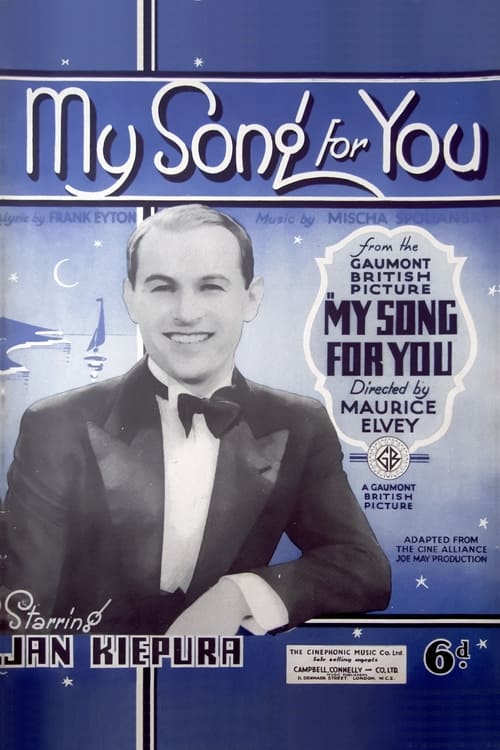
1934
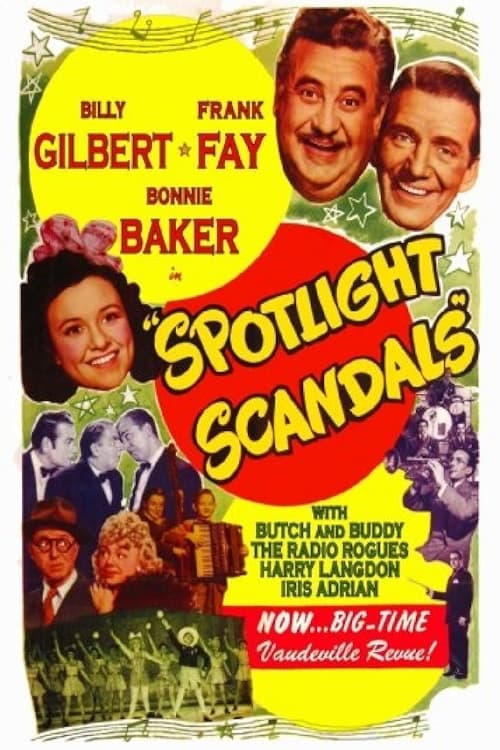
1943
No reviews yet. Be the first to share your thoughts on this movie!
Use the rating form above to leave a star rating and optional review.