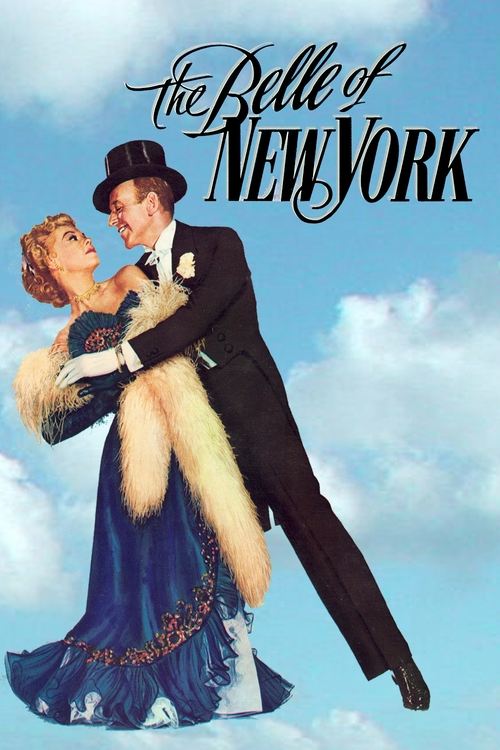
The Belle of New York
1952
No user ratings available yet
Representation score: 1.6 out of 10

Representation Score
Limited
1957
NRDirector
George Sidney
Runtime
111 minutes
Average Rating
No ratings yetNew Showbiz Analysis
Pal Joey is a cynical deconstruction of the 1950s musical, trading traditional romanticism for a study of opportunism and ambition. It complicates mid-century gender roles through Tessie Cameron's significant role, yet remains limited by the era's lack of racial and LGBTQ+ inclusion. The film's strength lies in its moral relativism and its refusal to present a standard hero. Instead, it offers a sophisticated look at social hierarchies and the transactional nature of desire within an urban nightlife setting. Ultimately, the work is a product of its time, offering nuanced character studies while failing to provide any meaningful representation of minority groups or diverse identities.
Category Breakdown
The film focuses solely on heterosexual and cisgender relationships, with no queer subtext or non-cisgender identities appearing in the main character arcs.
Tessie Cameron challenges traditional gender hierarchies by holding significant financial and social power. However, her influence remains tied to transactional motives.
The cast is predominantly homogeneous, reflecting the production standards of 1957. The film lacks significant minority representation or intentional multi-layered inclusion.
The narrative prioritizes a secular, nightlife-driven setting over traditional religious or familial structures. It explores a cynical, individualistic landscape driven by situational ethics and ambition.
No visible or invisible disabilities are portrayed within the central narrative. Disability is not used as a plot device in this story.
Present on Screen
Limited or Absent
Official Synopsis
An opportunistic singer woos a wealthy widow to boost his career.
1952

1953

1961

1954

1934

1954

1949

1951
No reviews yet. Be the first to share your thoughts on this movie!
Use the rating form above to leave a star rating and optional review.