Oh, Johnny, How You Can Love!
1940
No user ratings available yet
Representation score: 0.5 out of 10
Representation Score
Minimal
1940
ApprovedDirector
Harold D. Schuster
Runtime
61 minutes
Average Rating
No ratings yetNew Showbiz Analysis
This 1940 musical is a classic example of its time, adhering closely to the social norms of its era. The story relies on traditional romantic narratives and courtship rituals to culminate in a conventional marriage. Gender roles are distinctly traditional, with the male character having significant influence over the female lead's public persona. The film lacks diversity, focusing on a uniform, middle-class urban setting that reflects the homogeneity of the period.
Category Breakdown
The film follows a typical heterosexual relationship path. There is no indication of LGBTQ themes or non-traditional gender identities.
Women's roles are primarily defined by their professional careers and romantic relationships. The male character shapes the female lead's public image.
The story takes place in a homogenous urban environment with no evident racial diversity or multicultural representation.
The plot centers on the sanctity of marriage and upholds mid-century ideals of social advancement and family life.
The film does not include any characters with visible or invisible disabilities.
Present on Screen
Limited or Absent
Official Synopsis
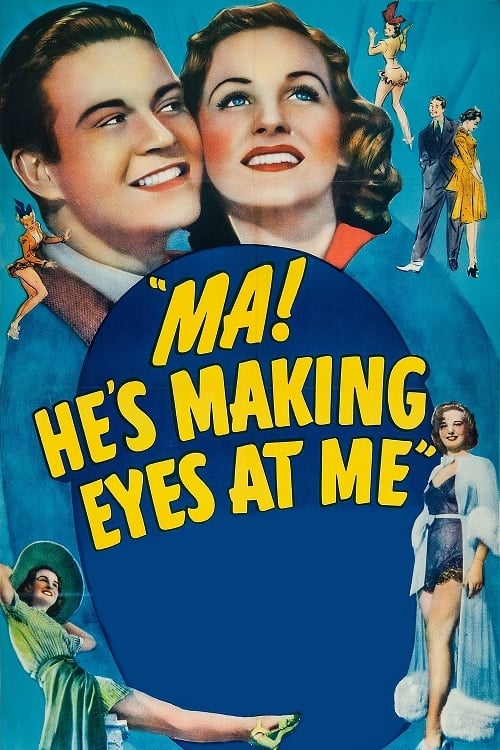
In this musical, a sharp witted press agent teams up with an unemployed chorine and dubs her "Miss Manhattan" to promote a cheap line of clothing. To escort her about town, the agent invents a "Mr. Manhattan." He then has them fake a marriage. When he realizes that he is in love with his creation, the agent promptly fires "Mr. M" and takes her to the altar personally. Songs include: "Ma, He's Making Eyes At Me," "Unfair To Love," and "A Lemon In The Garden Of Love."
1940
1933
1941
1937
1942
1935
1939
1936
No reviews yet. Be the first to share your thoughts on this movie!
Use the rating form above to leave a star rating and optional review.