
The Romanian Minister Istrate Visits Bitola
1911
No user ratings available yet
Representation score: 1.4 out of 10

Representation Score
Minimal
1912
Director
Milton Manaki, Yanaki Manaki
Runtime
2 minutes
Average Rating
No ratings yetNew Showbiz Analysis
As a 1912 documentary, this film serves as a historical record rather than a narrative designed to challenge social hierarchies. Its primary value lies in ethnographic documentation rather than intentional character's ability to drive the story or progressive themes. The low diversity scores reflect the social realities of the early 20th century. The film observes existing structures without the modern cinematic tools required to critique or deconstruct gender, identity, or institutional norms. Ultimately, the work is a foundational piece of Balkan cinematography. It offers a rare glimpse into non-Western social life, even if it lacks contemporary characters who reflect more than one aspect of diversity.
Category Breakdown
The film captures traditional social interactions from the early 20th century. There is no indication of queer identity or narratives that question the assumption that everyone is straight or cisgender.
Women appear in public spaces but remain within the traditional gender roles of 1912. The footage does not show women challenging patriarchal norms.
This work provides important visibility to a region often sidelined in Western-centric film history. It documents the unique ethnic social fabric of the Balkans.
The film depicts organic Balkan social institutions like café culture. It documents these existing structures without offering a critique of traditional social norms.
There is no discernible evidence regarding the portrayal of physical or neurodivergent disabilities within the visible context of this public gathering.
Present on Screen
Limited or Absent
Official Synopsis
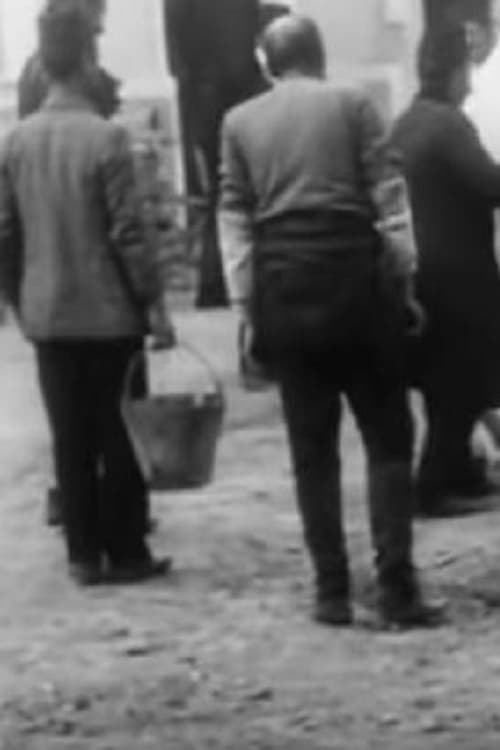
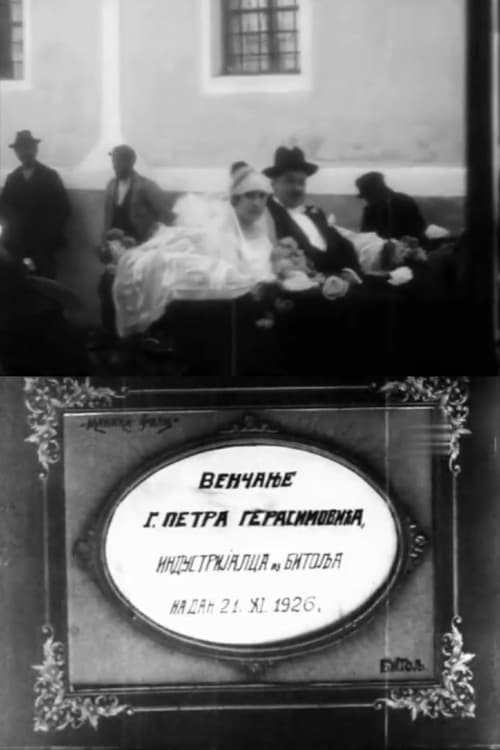
Early Balkan footage.
1911
1911

1905
1905
1905

1912

1911
1905
No reviews yet. Be the first to share your thoughts on this movie!
Use the rating form above to leave a star rating and optional review.