The Romanian Minister Istrate Visits Gopesh
1911
No user ratings available yet
Representation score: 1.8 out of 10
Representation Score
Minimal
1911
Director
Milton Manaki, Yanaki Manaki
Runtime
2 minutes
Average Rating
No ratings yetNew Showbiz Analysis
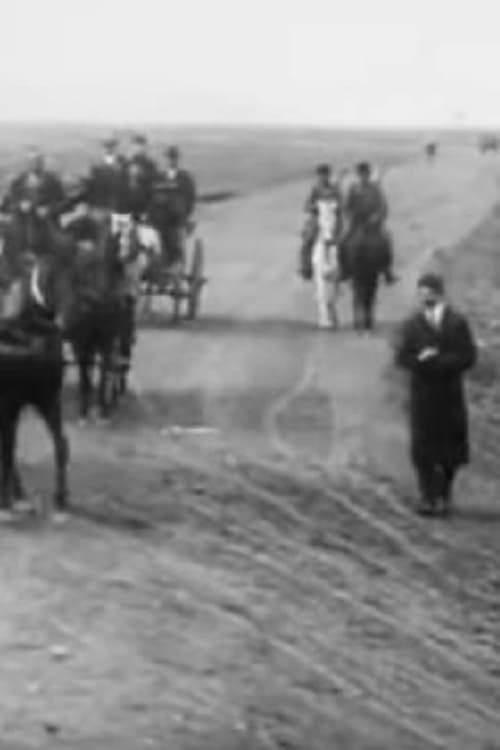
This archival documentary serves as a record of early 20th-century Balkan life. It focuses on formal, straight-centered political structures and male-dominated diplomacy, lacking modern progressive representation. However, it provides valuable insights into the organic ethnic plurality of a multi-ethnic Ottoman urban landscape. The film reflects the rigid gender hierarchies and institutional norms of 1911, offering a unique historical perspective.
Category Breakdown
The footage serves as a formal record of a diplomatic procession. There is no indication of LGBTQ+ identities or non-binary gender expressions.
The newsreel is dominated by male figures, with women largely absent from the main action. The film reflects the patriarchal structures of the time.
The film captures a diverse range of ethnicities within the Balkans, showing a natural blend of various regional and Ottoman-era identities.
The film highlights traditional diplomatic practices and institutional order, adhering to the social and political norms of the era without challenging authority.
Given the brief, newsreel format, there is no representation of individuals with visible or invisible disabilities.
Present on Screen
Limited or Absent
Official Synopsis
Early Balkan footage.
1911
1911
1912
1911
1905

1905
1905

1912
No reviews yet. Be the first to share your thoughts on this movie!
Use the rating form above to leave a star rating and optional review.