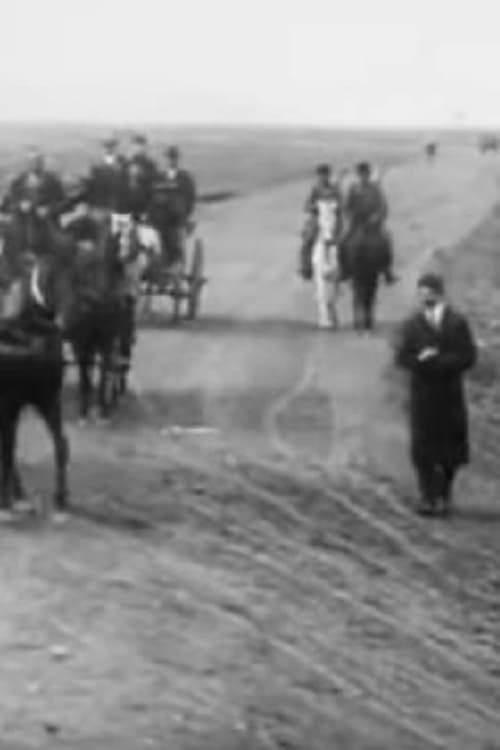
The Romanian Minister Istrate Visits Bitola
1911
No user ratings available yet
Representation score: 1.4 out of 10
Representation Score
Minimal
1911
Director
Milton Manaki, Yanaki Manaki
Runtime
2 minutes
Average Rating
No ratings yetNew Showbiz Analysis
This 1911 documentary serves as a historical snapshot of Balkan diplomatic movements rather than a narrative exploration of identity. It captures the rigid social hierarchies and patriarchal structures of the early 20th century through observational footage. While the film lacks modern characters who reflect more than one aspect of diversity, it provides valuable ethnic visibility by documenting the interactions between Romanian dignitaries and local populations. The focus remains strictly on institutionalism and formal statecraft. Ultimately, the film's limitations are a product of its era. It functions as an archival record of traditional power structures rather than a medium for social critique or diverse character development.
Category Breakdown
The film functions as a literal recording of a diplomatic visit. There is no indication of any LGBTQ+ themes or non-traditional gender expressions.
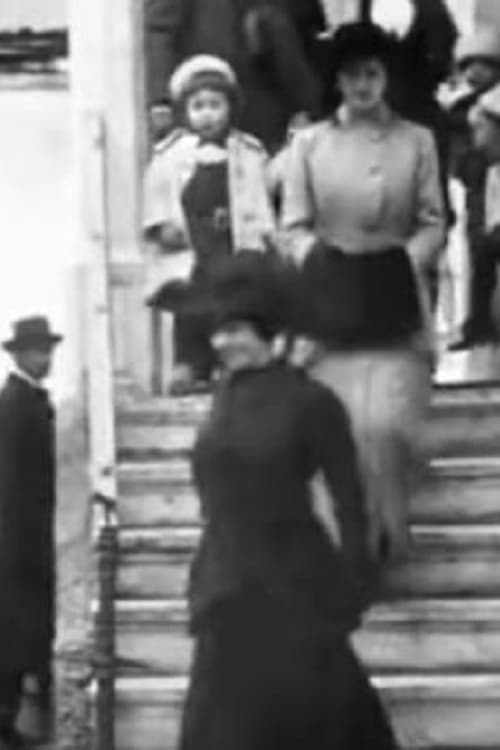
The visual record highlights male-dominated political structures. Women appear in the background but do not play active roles in the diplomatic proceedings.
The footage documents the interaction between Romanian and local Macedonian populations. It reflects the homogeneous ethnic makeup of the early 20th-century Balkans.
The film captures the formal protocols of state diplomacy and traditional social hierarchies. It reinforces the era's respect for established authority and proper conduct.
There is no evidence of individuals with visible or invisible disabilities being portrayed as central subjects.
Present on Screen
Limited or Absent
Official Synopsis
Early Balkan footage.
1911
1911
1908

1905
1911
1905
1912
1905
No reviews yet. Be the first to share your thoughts on this movie!
Use the rating form above to leave a star rating and optional review.