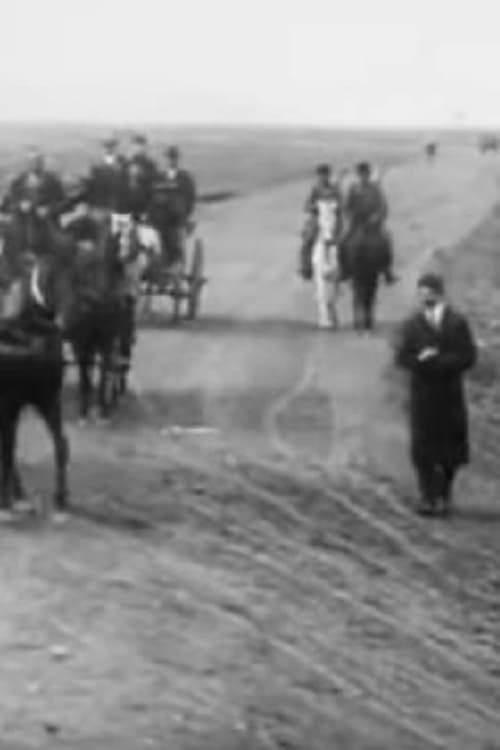
The Romanian Minister Istrate Visits Bitola
1911
No user ratings available yet
Representation score: 1.4 out of 10
No Poster Available
Representation Score
Minimal
1911
Director
Milton Manaki, Yanaki Manaki
Runtime
7 minutes
Average Rating
No ratings yetNew Showbiz Analysis
This documentary newsreel serves as a vital historical record of the Ottoman Sultan’s visit to Salonika. Its value lies in its archival nature rather than its narrative structure, capturing the demographic realities of the early 20th-century Balkan region. While the film offers a rare glimpse into the multi-ethnic tapestry of the Ottoman Empire, it remains bound by the rigid social hierarchies of 1911. The representation is incidental to the journalistic nature of the newsreel rather than a deliberate attempt at inclusive storytelling. Ultimately, the work documents the stability of the existing imperial order. It lacks the intentionality to disrupt traditional gender or power norms, reflecting the patriarchal and institutional structures of its time.
Category Breakdown
The footage functions as a formal recording of a state procession. No LGBTQ+ identities or non-cisgender expressions are visible within the crowds or official parties.
Men play a central role in the film, with women largely absent. This reflects the era's social constraints and gendered public life.
The film provides a visual record of the multi-ethnic composition of the Ottoman Empire. It captures a diverse array of subjects within the urban environment of Salonika.
The film emphasizes the authority of the Ottoman monarchy and military hierarchy. It reinforces the importance of state-sanctioned religious and political institutions through imperial ritual.
No visible or invisible disabilities are documented. The subjects captured are primarily able-bodied individuals participating in the formal ceremonial proceedings of the state.
Present on Screen
Limited or Absent
Official Synopsis
Early Balkan footage.
1911
1905
1911
1912

1905
1908
1911
1905
No reviews yet. Be the first to share your thoughts on this movie!
Use the rating form above to leave a star rating and optional review.