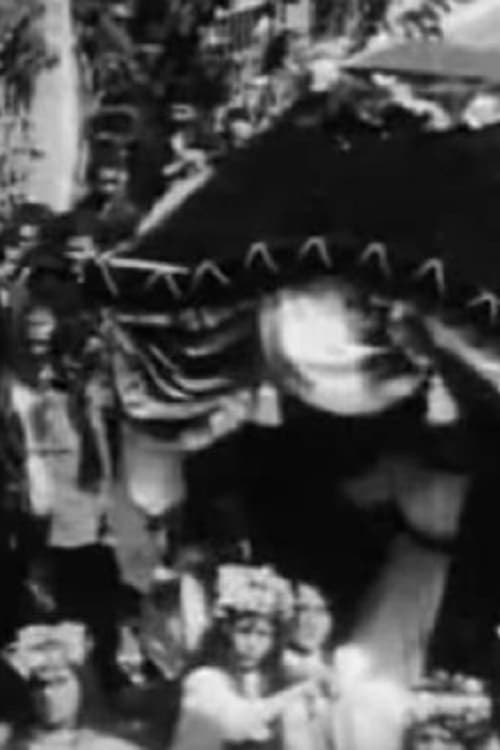
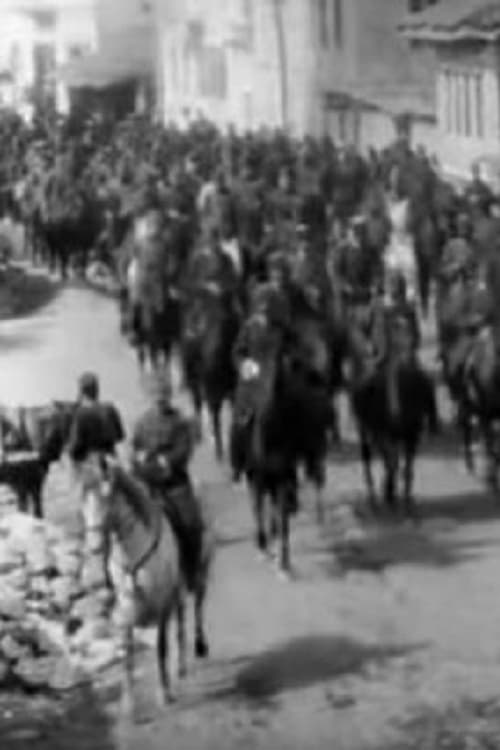
Parade on the Occasion of the Hürriyet
1908
No user ratings available yet
Representation score: 1.7 out of 10

Representation Score
Minimal
1905
Director
Milton Manaki, Yanaki Manaki
Runtime
1 minutes
Average Rating
No ratings yetNew Showbiz Analysis
This documentary serves as a historical artifact of early 20th-century imperial military presence. It functions as a literal visual record of state-sanctioned maneuvers, reinforcing the traditional hierarchies and institutional norms of the Ottoman era. The work lacks the intentionality needed to challenge systemic power dynamics. Instead, it focuses on documenting the prevailing social and military structures of the time, emphasizing organized discipline and state authority. While the setting offers a glimpse into a multi-ethnic Balkan landscape, the content remains centered on the dominant imperial power, offering little engagement with diverse individual identities or underrepresented perspectives.
Category Breakdown
The footage does not include any LGBTQ+ characters or narratives. The focus is solely on institutional military maneuvers.
The film centers on masculine-coded military authority and artillery operations. It reflects the rigid gender hierarchies of the early 20th-century Ottoman military context.
The footage captures the multi-ethnic environment of the Ottoman Balkans. However, it primarily documents existing imperial hierarchies rather than intentionally representing underrepresented groups.
The film serves as a formal record of Ottoman military discipline and state authority. It depicts traditional imperial structures without challenging these institutions.
There is no discernible representation of disability, visible or invisible, within this documentary footage.
Present on Screen
Limited or Absent
Official Synopsis
Early Balkan footage.
1908
1905
1911
1911
1911
1912
1908
1905
No reviews yet. Be the first to share your thoughts on this movie!
Use the rating form above to leave a star rating and optional review.