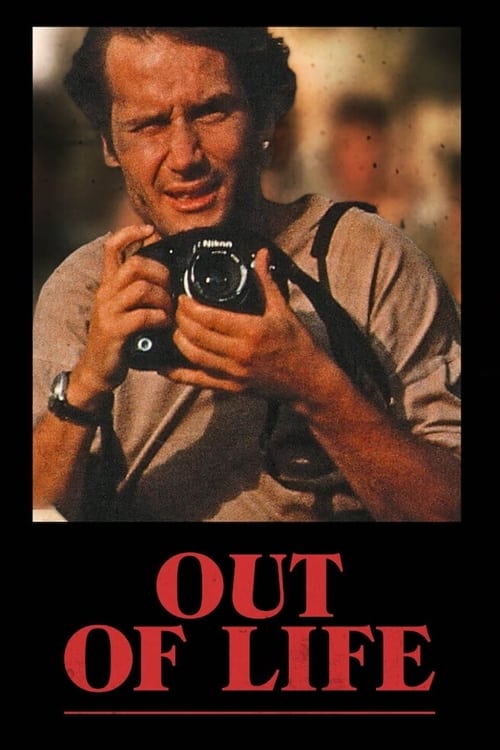
Out of Life
1991
No user ratings available yet
Representation score: 4.6 out of 10
Representation Score
Good
1975
Director
Maroun Bagdadi
Runtime
110 minutes
Average Rating
No ratings yetNew Showbiz Analysis
Maroun Bagdadi’s work is a vital piece of post-colonial cinema that centers Middle Eastern identity. It excels by providing an authentic, non-Western perspective on systemic instability and the fragmentation of national myths. The film's strength lies in its cultural and racial authenticity, offering a profound critique of traditional institutional stability. It moves beyond Western-centric narratives to explore the lived experiences of a local population during a period of intense sociopolitical collapse. However, the film lacks representation for LGBTQ+ identities and characters with disabilities. The narrative focus remains heavily on collective political movements and the macro-scale impacts of war rather than individual underrepresented identities.
Category Breakdown
The film focuses on the sociopolitical upheaval of the Lebanese Civil War. It prioritizes macro-political struggles over individual LGBTQ+ identities.
Women are shown as active participants in political movements and urban struggles. They disrupt traditional domestic roles while the narrative centers on male-dominated warfare.
The film provides an authentic, Arab-centric reality by centering a Lebanese cast. It challenges Western-centric cinematic perspectives through its focus on Middle Eastern urban life.
The narrative deconstructs unified national identity, highlighting the fragmented realities of a society in transition. It critiques Western-aligned political structures and the collapse of centralized state power.
The film captures the physical and psychological trauma of warfare. However, characters with disabilities are not given central narrative roles or specific ability to act.
Present on Screen
Limited or Absent
Official Synopsis
In the aftermath of the 1967 defeat, four young Lebanese try to figure out their places in a society whose rules seem to have changed. It proved to be an extraordinary anticipation of the civil war that would engulf the country while the film was being edited.
1991

2009

1986

2005
1986
1981
2006
1975
No reviews yet. Be the first to share your thoughts on this movie!
Use the rating form above to leave a star rating and optional review.