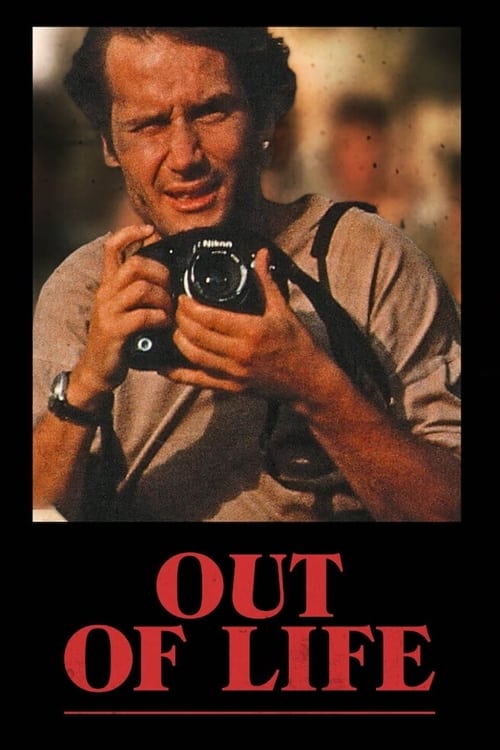
Out of Life
1991
No user ratings available yet
Representation score: 4.6 out of 10

Representation Score
Fair
1981
RDirector
Volker Schlöndorff
Runtime
108 minutes
Average Rating
No ratings yetNew Showbiz Analysis
Volker Schlöndorff’s work avoids the simplistic 'war hero' cliché by focusing on the intersection of personal psychological fragmentation and global conflict. The film uses a journalistic lens to shift the perspective from grand political maneuvers to the granular, human impact of systemic instability. By centering the story on a crumbling marriage amidst the fighting in Beirut, the film explores how personal crises mirror societal collapse. While the film provides a non-Western-centric viewpoint, it remains limited in its explicit representation of specific identity groups like LGBTQ+ individuals or characters with disabilities.
Category Breakdown
The film examines personal instability and the dissolution of traditional family structures. However, it does not include clear representations of LGBTQ+ identities or queer narratives.
The story focuses on a male protagonist dealing with domestic failure. While this may challenge the stable patriarch cliché, the role of women in driving the story is not clearly defined.
Setting the film in Beirut highlights a multi-ethnic environment. It shifts the focus to the complexities of Middle Eastern identity and geopolitical realities.
The film emphasizes the everyday face of war rather than patriotic narratives. It uses a non-Western setting to critique traditional power structures and systemic chaos.
There is no visible evidence regarding the portrayal of physical or neurodivergent disabilities within the narrative.
Present on Screen
Limited or Absent
Official Synopsis
To escape his crumbling marriage, German journalist Laschen travels to Beirut during the fights between Christians and Palestinians to produce an essay. Together with his photographer, he meets some influential people and discovers the everyday face of the war.
1991
1983
1975
1994

1986

1960
1992
1997
No reviews yet. Be the first to share your thoughts on this movie!
Use the rating form above to leave a star rating and optional review.