Beginner's Luck
1935
No user ratings available yet
Representation score: 0.8 out of 10
Representation Score
Minimal
1936
ApprovedDirector
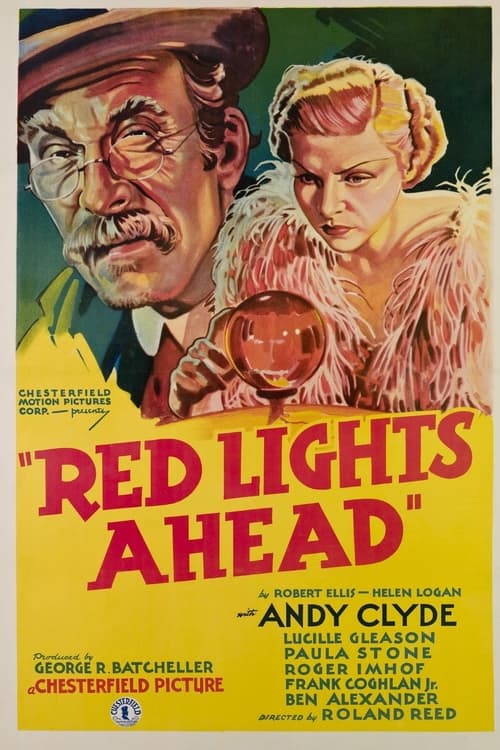
Roland D. Reed
Runtime
70 minutes
Average Rating
No ratings yetNew Showbiz Analysis
Red Lights Ahead is a typical 1930s domestic comedy that prioritizes broad entertainment over social commentary. The narrative structure reinforces existing social hierarchies, focusing on a traditional nuclear family and male-led financial decisions. The film lacks intentionality regarding diversity, opting instead for a predictable rags-to-riches trajectory. It validates traditional economic and social structures rather than challenging them through diverse perspectives. Ultimately, the production reflects the era's tendency to center white, straight-centered, and male-driven storylines within the domestic sphere.
Category Breakdown
The film operates within a framework that assumes everyone is straight and cisgender. There is no evidence of queer subtext or non-cisgender identities in this domestic comedy.
Gender hierarchies are reinforced through male-driven economic decisions. Women primarily occupy supportive or reactive roles within the family, with Molly acting as a stabilizing force.
The cast appears to be a homogeneous white ensemble. There is no indication of characters from diverse ethnic backgrounds or racial blending.
The story emphasizes traditional Western values and social standing through community organizations. It focuses on class-based moral lessons rather than cultural critique.
The comedy relies on slapstick archetypes. There is no evidence of characters possessing visible or invisible disabilities.
Present on Screen
Limited or Absent
Official Synopsis
A family loses its collective head going from rags to riches in this low-budget comedy from also-ran studio Chesterfield. Former slapstick comedian Andy Clyde starred as Grandpa Tom Hopkins who, after selling his junk business, moves in with daughter Molly (Lucille Gleason), her husband Ed (Roger Imhof), and their children Mary (Ann Doran), Edna (Paula Stone), George (Ben Alexander, and Willie (Frank Coghlan Jr.). Ed, who is a member of the town lodge "the Whales," is persuaded by Whitney (Sam Flint) the "Grand Harpoon," to buy $5,000 worth of shares in a promising gold mine, mortgaging the family home to do so. Soon the family is rich and everyone except Molly takes on airs.
1935
1934
1936

1940
1929
1939
1930
1937
No reviews yet. Be the first to share your thoughts on this movie!
Use the rating form above to leave a star rating and optional review.