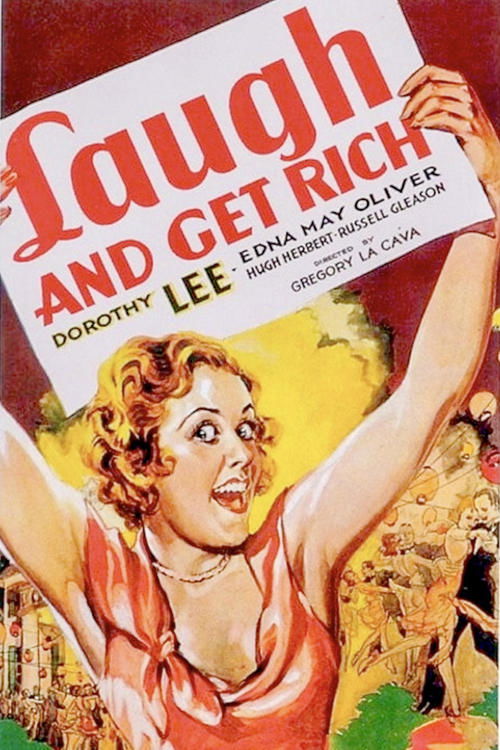
Laugh and Get Rich
1931
No user ratings available yet
Representation score: 1.8 out of 10

Representation Score
Minimal
1939
NRDirector
Joseph Santley
Runtime
64 minutes
Average Rating
No ratings yetNew Showbiz Analysis
This 1939 studio comedy reflects the demographic homogeneity of its time, relying on established social hierarchies and traditional narrative structures. While Rose Pierce exhibits ambition, the power dynamics remain rooted in a patriarchal domestic framework. The story prioritizes comedic clichés related to class and wealth over addressing diverse cultural perspectives. Ultimately, the film serves as a typical representation of mid-century domestic norms, lacking meaningful representation of underrepresented identities.
Category Breakdown
The film does not include any characters with LGBTQ+ identities or non-binary gender roles. It centers on a traditional nuclear family structure.
Rose Pierce demonstrates significant influence through her social ambitions, while the film upholds patriarchal structures. George remains the steady, authoritative figure.
The production adheres to 1939 casting standards, featuring a predominantly white, Anglo-Saxon cast. There is no indication of racial or ethnic diversity.
The story explores class aspirations and small-town capitalism, using the pursuit of wealth as a comedic element without critiquing Western social institutions.
There is no evidence of characters with visible or invisible disabilities. The film lacks any representation of neurodivergent individuals.
Present on Screen
Limited or Absent
Official Synopsis
Rose Pierce is discontent with her life as the wife of a small town plumber and has visions of becoming a wealthy socialite. Consequently, when her smart aleck son Sammy hears that an electric railroad line is to be built through town, she decides that the family can become rich by purchasing the lots along the right of way. Patriarch George Pierce laughs at the idea, but when Rose and Sammy learn that Cora Stewart, the wealthy town widow, has withdrawn her savings from the bank, they jump to the conclusion that she is interested in buying the lots, and mother and son secretly invest the family bank roll in the land.
1931

1934

1933
1936
1931

1937

1934
1938
No reviews yet. Be the first to share your thoughts on this movie!
Use the rating form above to leave a star rating and optional review.