
Trouble in Paradise
1932
No user ratings available yet
Representation score: 3.8 out of 10

Representation Score
Limited
1966
NRDirector
William Wyler
Runtime
123 minutes
Average Rating
No ratings yetNew Showbiz Analysis
How to Steal a Million is a period-specific romantic comedy that adheres closely to genre conventions. Its main strength lies in its disruption of traditional gender hierarchies by emphasizing female decision-making. However, the film remains anchored in the homogeneous social structures of 1960s high-society cinema, offering a narrow perspective through a predominantly white, Eurocentric lens. Ultimately, the film’s progressive value is found in character autonomy rather than systemic inclusivity or diverse representation.
Category Breakdown
The film does not depict any LGBTQ+ identities or non-cisgender characters.
Nicole actively drives the plot and showcases superior tactical thinking throughout the heist.
The cast is primarily composed of white actors, reflecting the high-society setting of Paris. No characters of color are featured in significant roles.
The story provides a light-hearted look at art authenticity and Western cultural institutions, maintaining a traditional view of social class.
The film does not include any characters with visible or invisible disabilities, nor does it use disability as a narrative device.
Present on Screen
Limited or Absent
Official Synopsis
A woman must steal a statue from a Paris museum to help conceal her father's art forgeries.
1932

1951

1968

1964
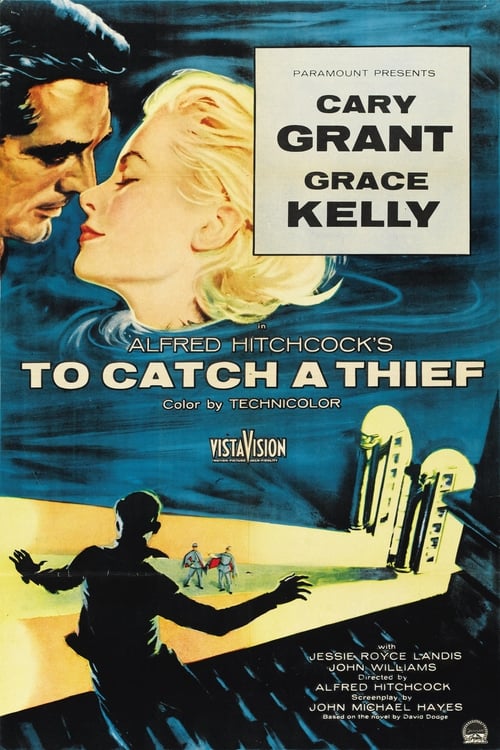
1955

1966

1999

1955
No reviews yet. Be the first to share your thoughts on this movie!
Use the rating form above to leave a star rating and optional review.