Lines of Wellington
2012
No user ratings available yet
Representation score: 5.7 out of 10
Representation Score
Fair
2013
Director
Jayme Monjardim
Runtime
127 minutes
Average Rating
No ratings yetNew Showbiz Analysis
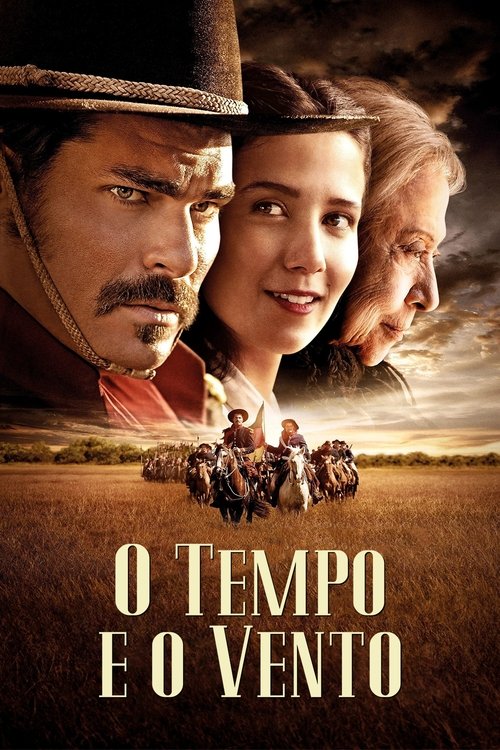
Time and the Wind presents a nuanced historical portrayal that avoids a monolithic perspective. It reflects the layered social hierarchy of 19th-century Brazil through its racial and gendered dimensions. However, the film adheres to conventional melodramatic structures. Its reliance on traditional romantic clichés and assumptions about straight relationships restricts its exploration of diverse identities, especially regarding LGBTQ+ representation. Ultimately, while the film accurately depicts the social strata of its time, it functions primarily as a traditional family saga rather than a critical reevaluation of historical norms.
Category Breakdown
The film follows a traditional romantic structure focused on heterosexual relationships and family lineage. It does not include any same-sex relationships or non-cisgender identities.
Women play crucial emotional roles in the story, taking active parts in domestic life. However, their roles often align with traditional stereotypes of resilience and suffering within a patriarchal context.
The production showcases the diverse ethnic makeup of 19th-century Brazil. By featuring Afro-Brazilian characters, it avoids a solely Eurocentric perspective and highlights the region's complex social realities.
The narrative examines Brazilian identity through the interplay of colonial influences. It portrays religious and traditional institutions as integral parts of the historical context without subjecting them to systematic criticism.
There is no significant portrayal of visible or invisible disabilities in the narrative. The story focuses on large-scale historical conflicts and family dynamics.
Present on Screen
Limited or Absent
Official Synopsis
Based on Érico Verissimo's literary trilogy, Time and the Wind follows 150 years of the Terra Cambará family and their opponents, the Amaral family. The struggles between the two families begin in the missions and lasts until the end of the 19th century. The film also features the period of formation of the state of Rio Grande do Sul and the dispute of territory between the Portuguese and Spanish crowns.
2012
2004
1981

2016

1942
1977
1976
1974
No reviews yet. Be the first to share your thoughts on this movie!
Use the rating form above to leave a star rating and optional review.