
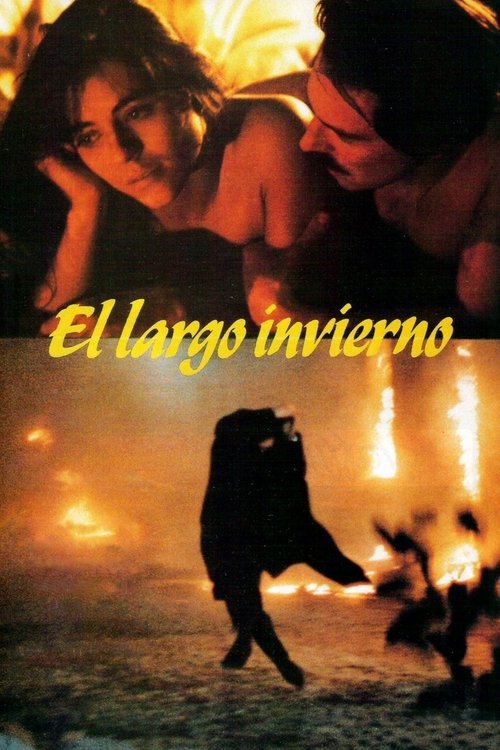
While at War
2019
No user ratings available yet
Representation score: 5.0 out of 10

Representation Score
Fair
1976
Director
Jaime Camino
Runtime
102 minutes
Average Rating
No ratings yetNew Showbiz Analysis
Jaime Camino’s drama excels at using historical upheaval to critique systemic power. By focusing on families in a summer village, the film deconstructs traditional social hierarchies and institutional stability. However, the film is limited by its historical and geographical specificity. The demographic makeup remains largely homogeneous, reflecting the rural Spanish landscape of the 1930s. Ultimately, the work prioritizes the disruption of social order over demographic variety, offering a sophisticated look at how private lives intersect with political volatility.
Category Breakdown
The film does not explicitly address sexual orientation. While the era's interpersonal dynamics might hint at nuances, there are no confirmed depictions of characters whose gender doesn't match their assigned-at-birth identity.
The wartime setting allows for the subversion of traditional domestic roles. Female characters may show resilience and play significant roles as patriarchal structures weaken during the conflict.
The rural Spanish setting reflects the historical homogeneity of the region. The film lacks multi-ethnic casting due to the localized context of 1936.
The narrative provides a strong critique of established institutions. It deconstructs the traditional Spanish social fabric by focusing on individuals caught in ideological warfare.
There is no documented evidence regarding the portrayal of physical or neurodivergent disabilities in this work.
Present on Screen
Limited or Absent
Official Synopsis
Spain, 1936. The Civil War breaks out. In a village near Barcelona, several families decide to continue living in their summer houses until the violence ends.
2019
2019

1949

1939
1992

2003

2008

1981
No reviews yet. Be the first to share your thoughts on this movie!
Use the rating form above to leave a star rating and optional review.