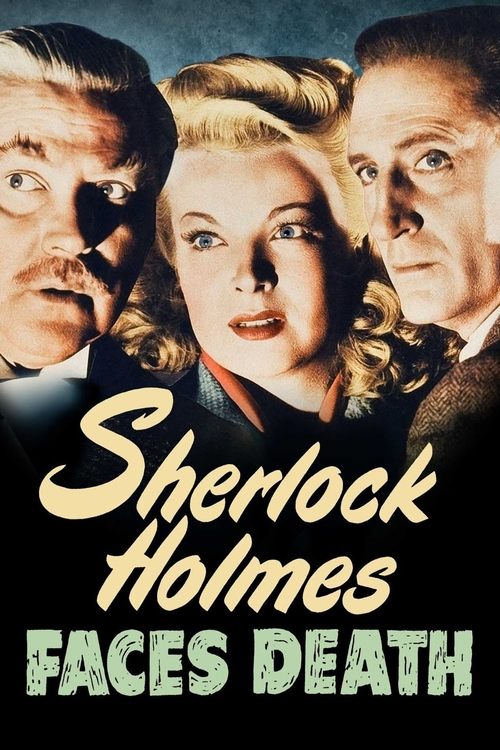
Sherlock Holmes Faces Death
1943
No user ratings available yet
Diversity score: 2.2 out of 10
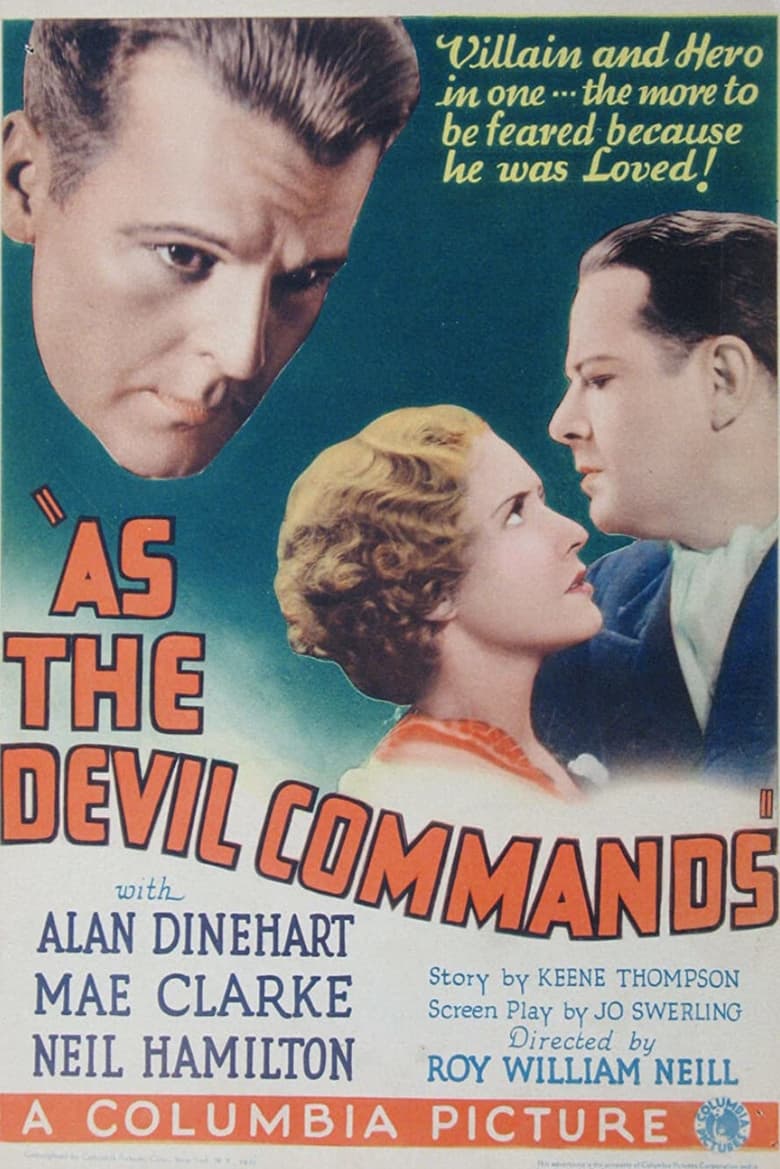
1933
PassedDirector
Roy William Neill
Runtime
70 minutes
Average Rating
No ratings yetSynopsis
Slowly dying of a terminal illness, wealthy invalid John Duncan wants his aide Dr. Graham to end his suffering.
Overall Score
Limited
Category Breakdown
LGBTQ+ Representation
The film lacks identifiable LGBTQ+ characters or non-heteronormative dynamics. There is no evidence of queer subtext or disruption of heteronormative structures.
Gender Representation
The narrative follows traditional 1930s hierarchies. Male protagonists drive the central conflict, while female characters function as secondary figures or suspense tropes.
Racial & Ethnic Diversity
The cast appears homogeneous, reflecting typical early Hollywood mystery standards. There is no evidence of racial blending or non-white characters challenging social hierarchies.
Religious & Cultural Diversity
The story operates within a traditional Western framework centered on wealth and medical ethics. It offers no critique of Western institutions or the cultural status quo.
Disability Representation
The protagonist is a terminal invalid whose condition drives the plot. The portrayal leans into the 'suffering invalid' trope rather than a nuanced exploration of identity.
Strengths
Areas for Improvement
AI Analysis
As the Devil Commands is a product of early 1930s genre filmmaking, prioritizing atmospheric mystery over social complexity. The narrative is built upon established social and gender hierarchies, offering little in the way of intersectional representation. The film relies heavily on traditional tropes, particularly regarding disability and gender. While the protagonist's terminal illness provides the central tension, the characterization follows melodramatic conventions rather than providing a deep exploration of physical identity. Ultimately, the film reflects the era's standard industrial practices. It functions as a straightforward mystery that reinforces the socioeconomic and cultural structures of its time without attempting to subvert them.
1943
1937

1935
1934

1934
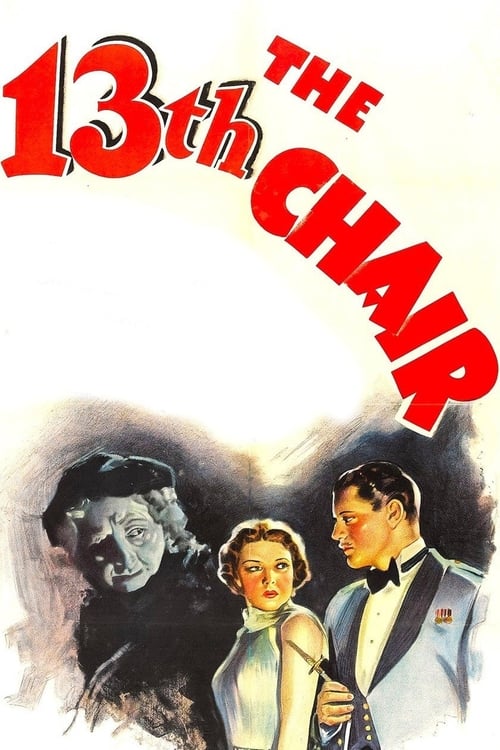
1937

1952
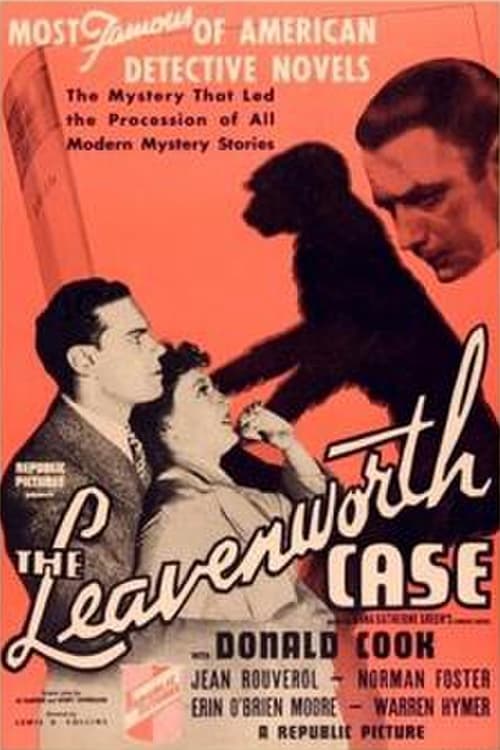
1936

1945
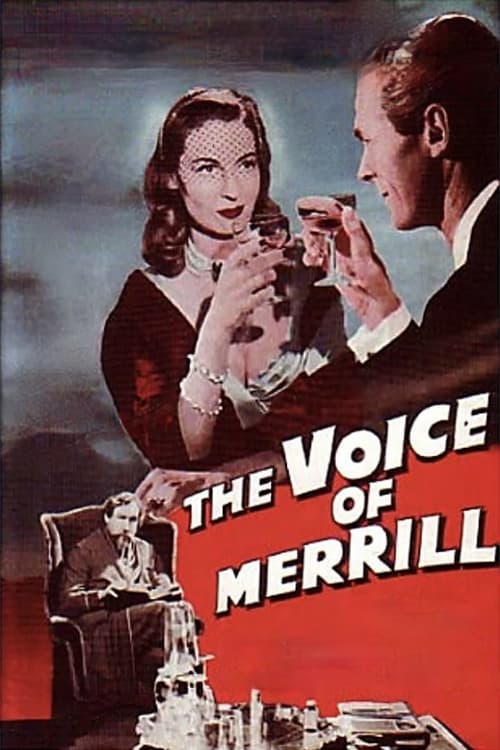
1952

1934
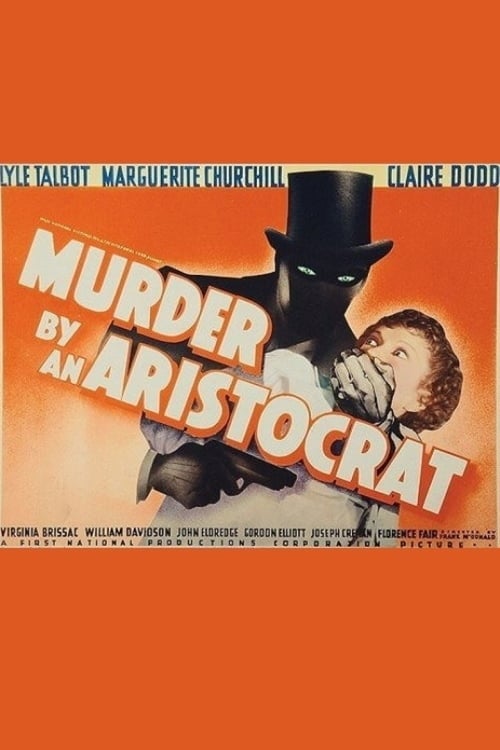
1936
No reviews yet. Be the first to share your thoughts on this movie!
Use the rating form above to leave a star rating and optional review.