
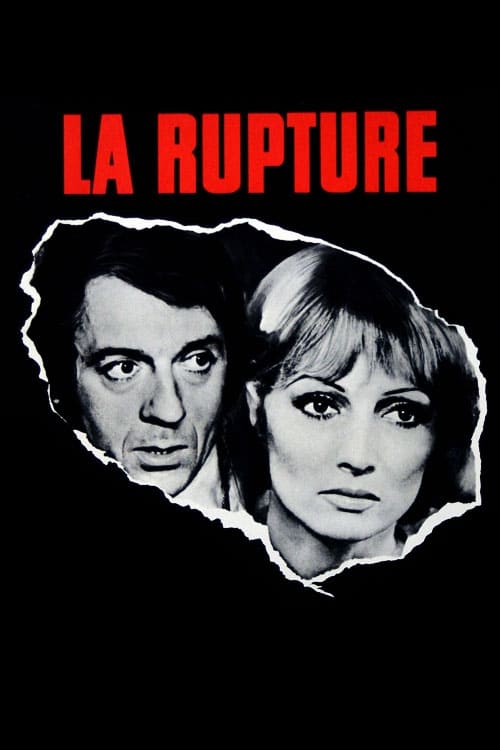
Love Me Strangely
1971
No user ratings available yet
Representation score: 5.8 out of 10
Representation Score
Fair
1970
Director
Claude Chabrol
Runtime
124 minutes
Average Rating
No ratings yetNew Showbiz Analysis
Claude Chabrol uses this thriller to deconstruct the stability of the French bourgeoisie. The film's primary strength lies in its interrogation of gendered power dynamics and the corruption inherent in traditional family units. However, the film remains limited by its narrow social scope. It lacks depth in exploring multiple aspects of identity, focusing almost exclusively on class and gendered friction within a homogeneous European setting. Ultimately, the work is a study of psychological fractures rather than a diverse social tapestry, prioritizing the critique of social mores over broad representation.
Category Breakdown
The film operates within a framework that assumes everyone is straight and cisgender. There is no evidence of same-sex relationships or non-binary gender identities driving the story.
The film centers on a woman facing abuse from multiple male figures, challenging the idea of the reliable patriarch by depicting men as sources of instability.
The setting reflects a homogeneous French provincial bourgeoisie. The film focuses on class-based tension rather than exploring race.
The story challenges the sanctity of traditional family structures by portraying the bourgeois unit as a site of corruption. It highlights the breakdown of social boundaries and institutional stability.
Psychological instability serves as a thematic element of the thriller genre. There is no dedicated focus on disability or specific portrayals of neurodivergence.
Present on Screen
Limited or Absent
Official Synopsis
An innocent woman falls prey to her abusive husband, his wealthy father and a shady family friend.
1971
1964
1974
1969
1969
1971
1974
1953
No reviews yet. Be the first to share your thoughts on this movie!
Use the rating form above to leave a star rating and optional review.