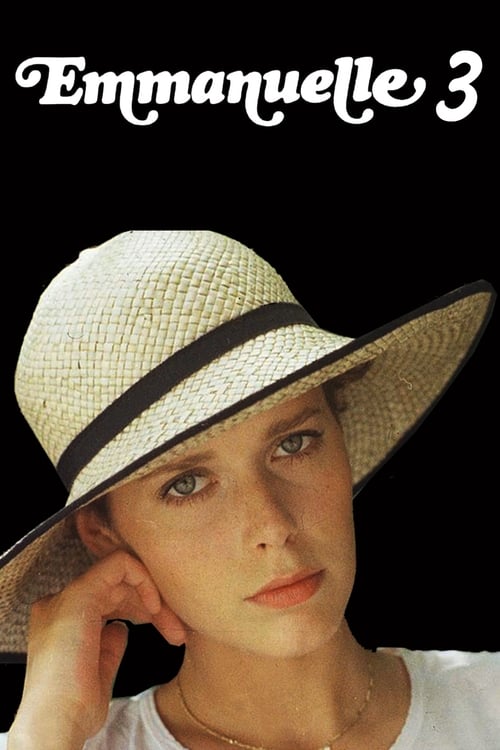
Emmanuelle 3
1977
No user ratings available yet
Representation score: 4.0 out of 10
Representation Score
Fair
1975
NC-17Director
Francis Giacobetti
Runtime
91 minutes
Average Rating
No ratings yetNew Showbiz Analysis
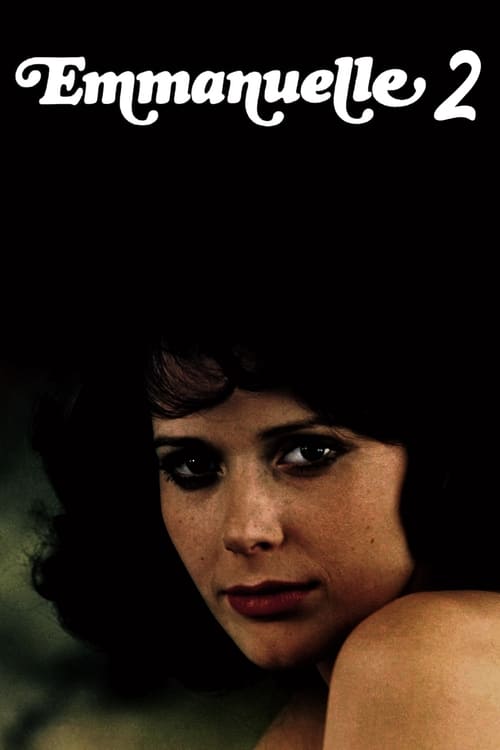
Emmanuelle: The Joys of a Woman stands out for its focus on female sexual autonomy, challenging mid-century norms around domesticity and patriarchal control. However, its progress is limited by a narrow demographic scope, lacking significant racial diversity or LGBTQ+ representation. This keeps its impact confined to specific social critiques. Ultimately, the film explores sexual self-actualization while disrupting marital hierarchies, but it remains tied to the era's conventional racial and heterosexual paradigms.
Category Breakdown
The film does not explicitly depict non-binary genders or same-sex relationships. It focuses on heterosexual relationships without exploring LGBTQ+ identities.
Emmanuelle’s pursuit of personal freedom gives the female protagonist significant control over her life. The husband’s involvement in her affairs challenges traditional patriarchal norms.
The story primarily centers on a white European character, even though it is set in Hong Kong. It lacks significant racial diversity.
The film questions traditional Western institutions like monogamous marriage by emphasizing individual pleasure over established social or religious norms.
There is no depiction of characters dealing with physical, neurodivergent, or sensory disabilities.
Present on Screen
Limited or Absent
Official Synopsis
Emmanuelle returns to her husband in Hong Kong and proceeds to have several extramarital affairs -- with his knowledge, of course. Her husband's lover and American guest are both very puzzled by their openness.
1977
1964

1974
1956

2024
1977
2000

1984
No reviews yet. Be the first to share your thoughts on this movie!
Use the rating form above to leave a star rating and optional review.