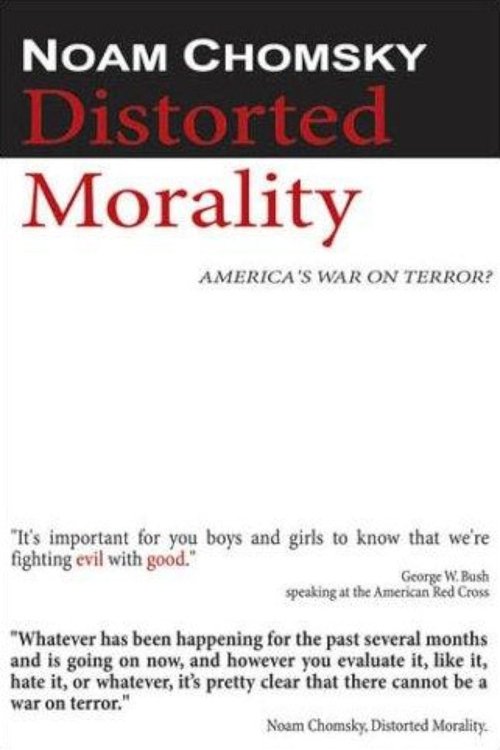
Noam Chomsky: Distorted Morality
2003
No user ratings available yet
Diversity score: 6.1 out of 10

2002
Not RatedDirector
John Junkerman
Runtime
74 minutes
Average Rating
No ratings yetSynopsis
This documentary compiles a series of Noam Chomsky's interviews and lectures that address the events of 9/11.
Overall Score
Good
Category Breakdown
LGBTQ+ Representation
The film lacks explicit LGBTQ+ characters or narratives. As a political discourse, it does not address non-cisnormative identities through character-driven storytelling.
Gender Representation
The documentary does not engage with gendered hierarchies or subvert traditional tropes. The focus remains on geopolitical analysis rather than the deconstruction of gender roles.
Racial & Ethnic Diversity
The narrative engages with post-colonialist perspectives by examining Western foreign policy. It challenges Anglo-centric historical narratives by focusing on the impact of hegemony on the Global South.
Religious & Cultural Diversity
The film demonstrates high alignment with the deconstruction of Western institutions. It critiques capitalism and state power, challenging the perceived superiority of Western geopolitical stability.
Disability Representation
There is no evidence that disability or neurodivergence are central themes. These elements are not utilized as narrative devices within the documentary.
Strengths
Areas for Improvement
AI Analysis
Power and Terror serves as a vehicle for intellectual subversion rather than character-driven representation. Its primary value lies in its systemic critique of Western hegemony and institutional legitimacy. While the film lacks intersectional identity-based storytelling, it succeeds in disrupting conventional patriotic media narratives. It provides a platform for perspectives that challenge dominant Western power structures. The documentary's strength is its focus on global power dynamics and the critique of capitalist structures, which elevates its cultural representation score despite the absence of diverse character arcs.
2003
2006
2009

2006
2008

2019
2008

2022
2008

2012

1992

2002
No reviews yet. Be the first to share your thoughts on this movie!
Use the rating form above to leave a star rating and optional review.