1:42.08
1966
No user ratings available yet
Representation score: 0.0 out of 10
Representation Score
Minimal
1967
Director
George Lucas
Runtime
4 minutes
Average Rating
No ratings yetNew Showbiz Analysis
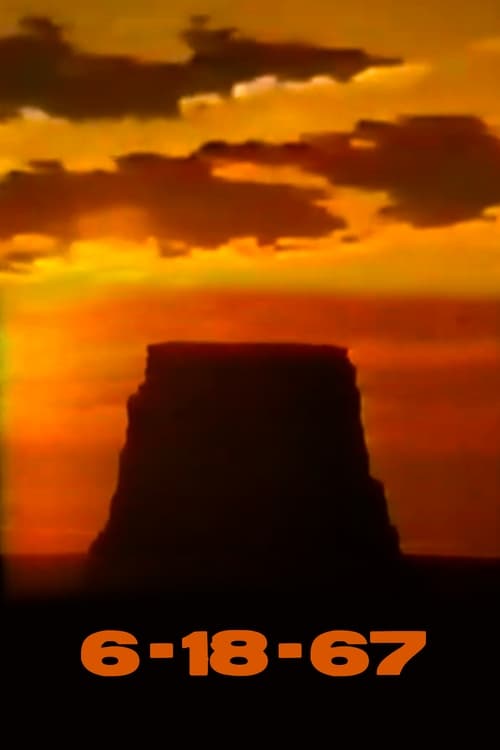
George Lucas's experimental short is a minimalist study of the Arizona desert using time-lapse photography and ambient sound. By avoiding characters, plot, and human dialogue, the work exists outside traditional frameworks of social representation. It does not actively promote or challenge social hierarchies. Ultimately, the film is a purely aesthetic exercise in duration and landscape, lacking the multi-layered complexities and character-driven ability to act found in Lucas's later, more famous cinematic works.
Category Breakdown
The film focuses on landscape and time-lapse photography without any characters or dialogue, so there is no depiction of sexual orientation.
The work centers entirely on environmental imagery and ambient sound, with no human subjects to establish or subvert gender hierarchies.
This abstract record of place and duration lacks a cast or human subjects, so the film does not engage with racial or ethnic representation.
The film presents a secular, naturalist perspective of the desert. It lacks social commentary or critiques of institutions, remaining a neutral observation of nature.
The film lacks human characters, so there is no depiction of physical or neurodivergent ability to act or the use of disability as a narrative device.
Present on Screen
Limited or Absent
Official Synopsis
Filmed during the production of the Columbia Pictures western "Mackenna’s Gold," this short work presents a non-narrative visual study of the Arizona desert. Rather than documenting the film set itself, "6-18-67" assembles landscape images, time-lapse photography, and ambient sound into an abstract record of place and duration.
1966
1929
1966
1983
1970
1968
1965
2000
No reviews yet. Be the first to share your thoughts on this movie!
Use the rating form above to leave a star rating and optional review.