Sogobi
2002
No user ratings available yet
Representation score: 1.1 out of 10
Representation Score
Minimal
2000
PGDirector
James Benning
Runtime
87 minutes
Average Rating
No ratings yetNew Showbiz Analysis
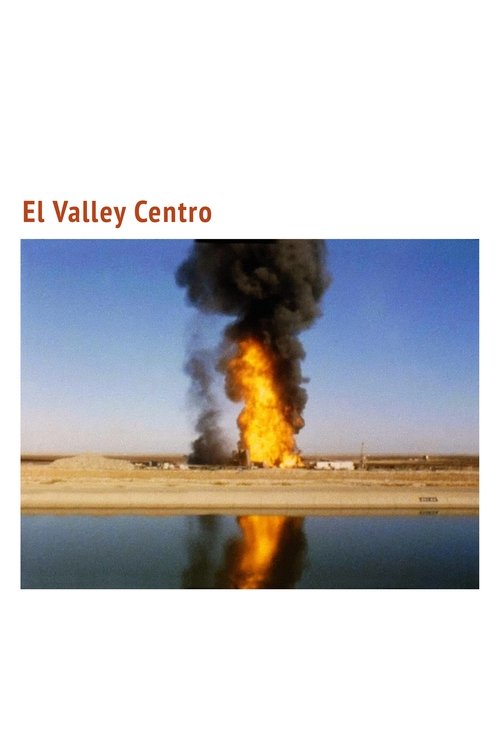
James Benning’s *El Valley Centro* is a work of pure formalist cinema that rejects traditional narrative hierarchies. It replaces character-driven social commentary with a structuralist exploration of landscape and temporal perception. Because the film is non-narrative and lacks human subjects, it provides no representation of LGBTQ+, gender, racial, or disability identities. The absence of these markers is a result of the film's focus on the inanimate environment rather than intentional exclusion. However, the film offers a subtle cultural critique. By highlighting the tension between nature and commercial interests, it disrupts traditional celebratory narratives of Western expansion through a postmodern lens.
Category Breakdown
Since the film consists of static landscape shots without human characters or dialogue, there is no depiction of sexual orientation or gender identity.
The film focuses on topography and architectural remnants, avoiding gender hierarchies but offering no character's ability to drive the story due to its non-human subject matter.
The work functions as a study of light and geological time. The absence of human subjects means there is no direct representation of racial or ethnic identities.
The film critiques capitalist expansion and the transformation of the American landscape. It presents a quiet meditation on the environmental costs of industrialization and commercial encroachment.
As a formalist study of landscape and duration, the film contains no human characters. It does not address physical or neurodivergent representation.
Present on Screen
Limited or Absent
Official Synopsis
Experimental filmmaker James Benning returns with this abstract documentary about California's Central Valley, part 1 of his "California Trilogy". Consisting of 35 shots, each over two minutes long, the film quietly portrays nature's subjugation to encroaching commercial interests. This film was screened at the 2000 Sundance Film Festival.
2002
2013
2001
2000
2009
2012
2004
1992
No reviews yet. Be the first to share your thoughts on this movie!
Use the rating form above to leave a star rating and optional review.