6-18-67
1967
No user ratings available yet
Representation score: 0.1 out of 10
Representation Score
Minimal
1966
Director
George Lucas
Runtime
7 minutes
Average Rating
No ratings yetNew Showbiz Analysis
George Lucas's early student project is a formalist study of motion and sound rather than a narrative work. It functions as a technical exercise focused on the velocity of a Lotus 23 race car. Since the film lacks human characters, dialogue, or interpersonal dynamics, it is structurally incapable of engaging with identity politics or social hierarchies. The absence of representation is a byproduct of its non-narrative genre. The work exists in a technical vacuum, prioritizing the relationship between man, machine, and speed over any thematic exploration of diversity.
Category Breakdown
The film is a non-narrative visual tone poem centered on the mechanics of a Lotus 23 race car. Since it lacks characters or dialogue, there is no evidence of LGBTQ+ representation.
The focus remains entirely on the technical performance of the vehicle and driver Pete Brock. The film lacks a cast or character arcs capable of addressing gender hierarchies.
This technical study of automotive speed at Willow Springs Raceway contains no evidence of a diverse cast. The subject matter is purely mechanical and kinetic.
The film aligns with mid-century Western interests in automotive engineering and competitive sport. It lacks social commentary or engagement with systemic power dynamics.
This sensory-focused documentary emphasizes the auditory power of an engine and visual speed. It contains no depictions of individuals with physical or neurodivergent identities.
Present on Screen
Limited or Absent
Official Synopsis
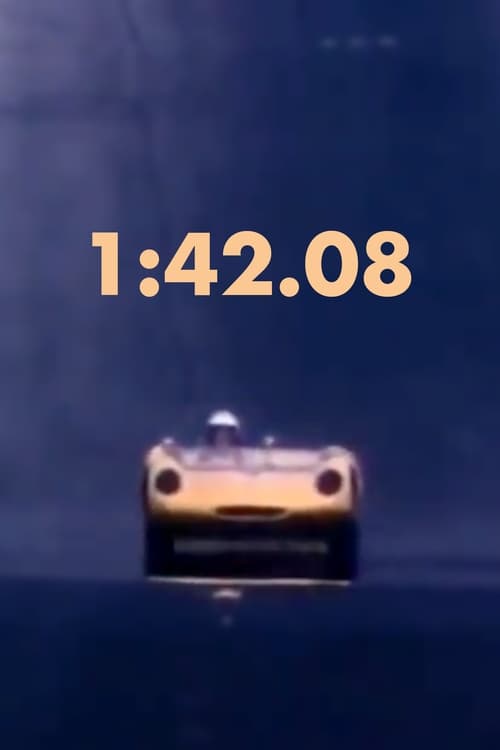
George Lucas's senior project at the University of Southern California in 1966. It was named for the lap time of the Lotus 23 race car that was the subject of the film. It is a nonstory visual tone poem depicting the imagery of a car going at full speed, and featuring the car's engine as the primary sound element. Shot on 16mm color film with a 14 man student crew, it was filmed at Willow Springs Raceway, north of Los Angeles, CA. The Lotus 23 was driven by Pete Brock.
1967
2016
1984
1971
2012
1974
1972
1896
No reviews yet. Be the first to share your thoughts on this movie!
Use the rating form above to leave a star rating and optional review.