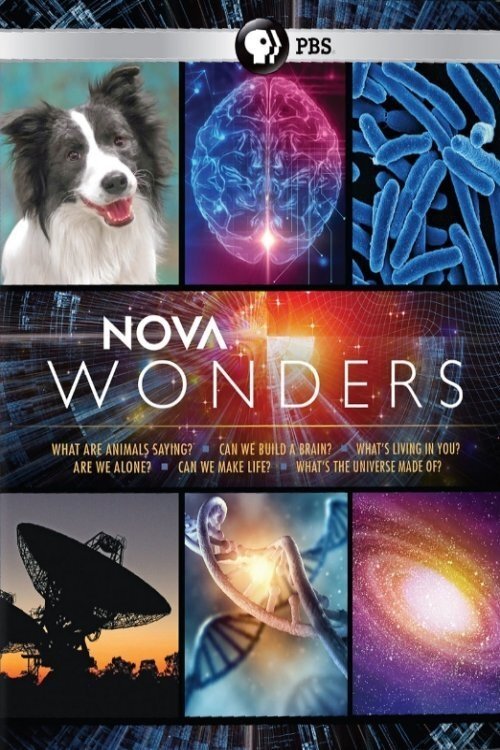
Can We Build a Brain?
2018
No user ratings available yet
Diversity score: 4.2 out of 10

1970
Director
Jon Jost
Runtime
6 minutes
Average Rating
No ratings yetSynopsis
“A silent perusal of the Grand Canyon, morning to night, from a single, fixed camera position, by means of constant dissolves spaced a few seconds apart. Man — entirely absent — is no longer the center of the universe; the canyon exists outside of him. Despite the invisible photographer and his technologically-caused dissolves, this is a creditable approximation of the true foreign-ness of nature.” — Amos Vogel, Film as a Subversive Art (1974)
Overall Score
Fair
Category Breakdown
LGBTQ+ Representation
The film is a non-narrative documentary focused on a fixed landscape. No LGBTQ+ identities or narratives are present.
Gender Representation
The removal of the human subject disrupts traditional gender hierarchies and the male gaze. However, the absence of gendered agency prevents a higher score.
Racial & Ethnic Diversity
The landscape is devoid of human presence. While it avoids racial stereotyping, it lacks the active presence of diverse ethnic identities.
Religious & Cultural Diversity
The film critiques Western anthropocentrism by positioning nature as a foreign entity. It challenges the colonialist impulse to view nature as a human resource.
Disability Representation
As a landscape study, there is no depiction of characters. This precludes any analysis of disability or neurodivergence.
Strengths
Areas for Improvement
AI Analysis
Jon Jost’s *Canyon* operates through a method of radical subtraction. By utilizing a fixed camera and constant dissolves to observe the Grand Canyon, the film intentionally removes the human subject from the frame. This post-humanist approach disrupts the traditional cinematic mandate to center human drama and agency. Because the work is entirely non-narrative and lacks characters, it cannot provide representation for LGBTQ+, racial, or disability identities. It exists in a vacuum of human demographics, which results in neutral scores across most categories. However, the film achieves a high level of cultural critique. It subverts Western exceptionalism and the capitalist tendency to treat nature as a mere backdrop for human achievement, offering a meditative deconstruction of man's place in the universe.
2018

1971
2004

2014

2022
2008
1975

2015

2022

1997
2009
2026
No reviews yet. Be the first to share your thoughts on this movie!
Use the rating form above to leave a star rating and optional review.