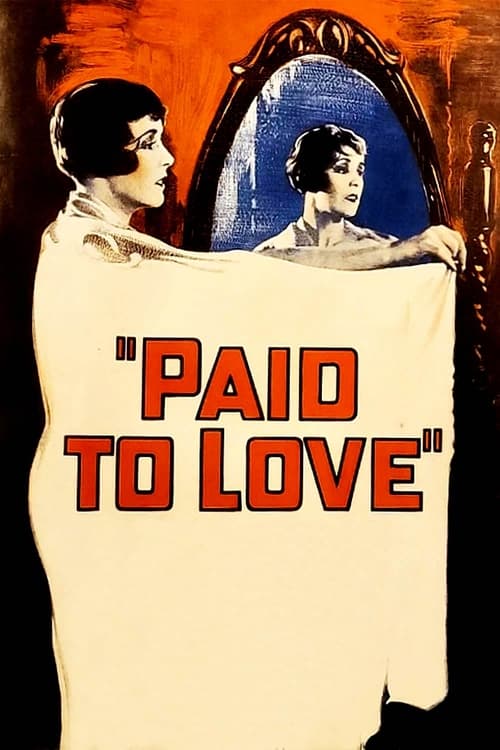
Paid to Love
1927
No user ratings available yet
Diversity score: 2.3 out of 10
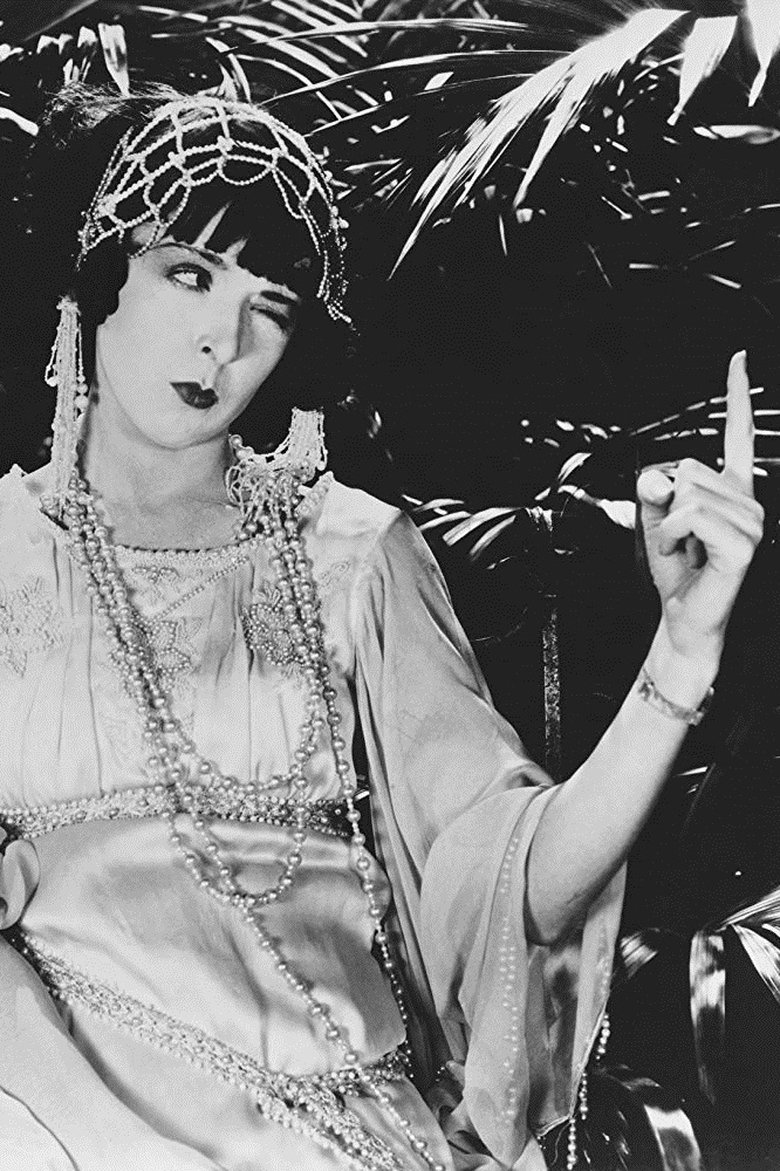
1924
PassedDirector
John Francis Dillon
Runtime
70 minutes
Average Rating
No ratings yetSynopsis
A 1924 film directed by John Francis Dillon.
Overall Score
Limited
Category Breakdown
LGBTQ+ Representation
The film lacks any documented evidence of queer narratives or non-heteronormative identities. Such depictions were largely absent from mainstream commercial cinema during this era.
Gender Representation
Centering the 'Flapper' archetype suggests a subversion of traditional Victorian femininity. The narrative likely explores female autonomy and social mobility, challenging rigid gender hierarchies through increased agency.
Racial & Ethnic Diversity
The production likely reflects the homogeneous casting practices of 1924 Hollywood. The film appears to follow the Anglo-Saxon centricity prevalent in silent-era romantic comedies.
Religious & Cultural Diversity
The story engages with the cultural phenomenon of the Flapper movement. It likely depicts a rejection of traditional Western moralism and a departure from conservative social etiquette.
Disability Representation
There is no verifiable information regarding the portrayal of physical or neurodivergent characters in this work.
Strengths
Areas for Improvement
AI Analysis
The film serves as a snapshot of 1920s social shifts, primarily through its engagement with gendered rebellion. By focusing on the Flapper archetype, it highlights a move toward female independence and the deconstruction of old-guard social norms. However, these progressive gender themes are offset by significant systemic exclusions. The film remains tethered to the era's standard lack of racial and LGBTQ+ representation, reflecting the homogeneous casting and social constraints of the silent film era.
1927
1930
1930
1926
1930

1936
1935
1933
1930
1941
1925
1932
No reviews yet. Be the first to share your thoughts on this movie!
Use the rating form above to leave a star rating and optional review.